
In the biohacker’s toolkit, few interventions are as ancient, powerful, and accessible as fasting. Forgoing food for a set period is a practice that has been woven into human history for spiritual, cultural, and health reasons. Today, modern science is catching up, revealing that the simple act of not eating can trigger a cascade of profound biological benefits, from enhanced fat burning and cellular cleanup to improved brain function and longevity.
But with a dizzying array of protocols—from daily intermittent fasting to multi-day extended fasts—where do you even begin? The world of fasting can seem complex and intimidating. That’s why we’ve created this definitive guide.
FitOnear has covered various aspects of nutrition, but a cornerstone of biohacking is mastering when you eat, not just what you eat. This guide will demystify the most popular fasting protocols, giving you a clear roadmap to choose the right one for your goals, lifestyle, and experience level. We will explore:
- Time-Restricted Eating (TRE): The popular 16:8, 18:6, and OMAD (One Meal a Day) methods.
- Extended Fasting: The 24-hour, 48-72 hour, and even 5-day protocols for deep cellular benefits.
- The Science of Fasting: What’s actually happening in your body when you stop eating?
- Protocols & Practical Tips: How to perform each fast, what to expect, and how to break your fast safely.
- Safety & Considerations: Who should fast and, more importantly, who should not.
Whether you’re a complete beginner looking to dip your toes into intermittent fasting or an experienced biohacker ready to tackle a multi-day fast, this guide has you covered. Let’s unlock the power of metabolic optimization.
The Science: What Happens When You Fast?
Fasting is far more than just calorie restriction; it’s a powerful signal that flips a series of metabolic switches in your body. Understanding this science is key to appreciating why it’s such a potent biohacking tool.
The Metabolic Switch: From Sugar-Burner to Fat-Burner
For most people eating a standard diet, the body runs primarily on glucose (sugar) from carbohydrates. When you eat, your body uses what it needs for immediate energy and stores the rest, first as glycogen in your liver and muscles, and then as fat.
When you fast, something remarkable happens. After about 12-16 hours, your body exhausts its readily available glycogen stores. In search of a new fuel source, it begins to break down stored body fat into fatty acids, which are then converted by the liver into ketone bodies. This is the metabolic switch [1]. Your body shifts from being a sugar-burner to a fat-burner, entering a state known as ketosis.
This is the fundamental goal of most fasting protocols: to spend more time in a fat-burning, ketogenic state, which is associated with improved metabolic health, stable energy levels, and reduced inflammation.
Autophagy: Your Body’s Cellular Cleanup Crew
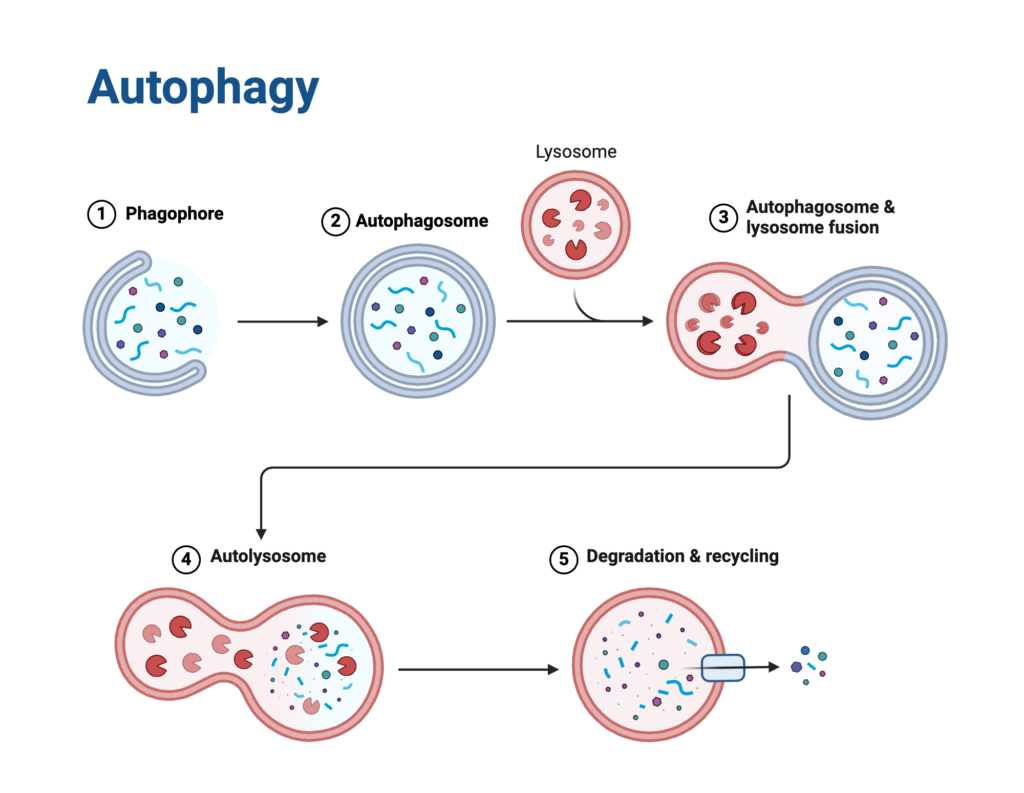
Perhaps the most exciting benefit of fasting, especially extended fasting, is the activation of autophagy. The term literally means “self-eating.” It’s a natural, regulated process where your body’s cells clean house, breaking down and recycling old, damaged, or dysfunctional components (like misfolded proteins and faulty mitochondria) [2].
Think of it as cellular spring cleaning. By clearing out the junk, autophagy allows your cells to function more efficiently and reduces the buildup of waste products that are linked to aging and disease. While autophagy is always happening at a low level, its rate increases dramatically during periods of nutrient deprivation, like fasting. Animal studies suggest this process ramps up significantly after 24-48 hours of fasting [3].
By stimulating autophagy, fasting may help:
- Reduce the risk of neurodegenerative diseases like Alzheimer’s and Parkinson’s.
- Strengthen the immune system.
- Slow down the aging process.
- Reduce systemic inflammation.
Part 1: Time-Restricted Eating (Intermittent Fasting)
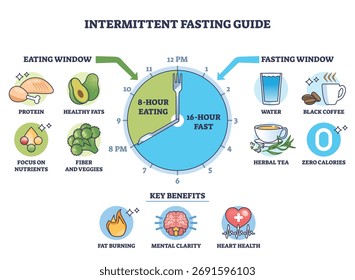
Time-Restricted Eating (TRE), often used interchangeably with Intermittent Fasting (IF), is the most popular and accessible way to start. It involves consolidating your daily food intake into a specific “eating window” and fasting for the remainder of the day. These protocols are ideal for beginners and can be sustained long-term.
Protocol 1: The 16:8 Method (The Leangains Protocol)
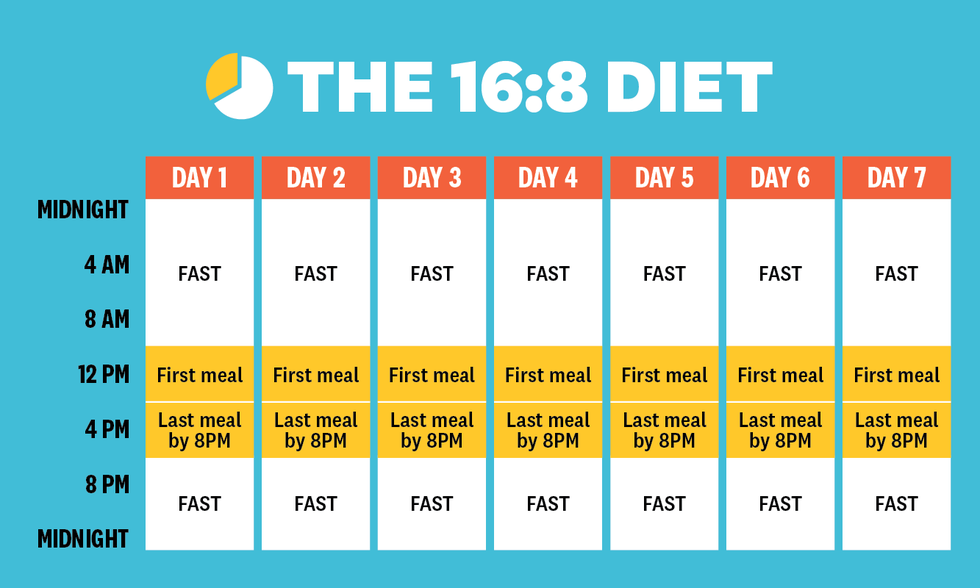
This is the classic entry point into the world of fasting. You fast for 16 hours and eat all your meals within an 8-hour window.
- Fasting Window: 16 hours
- Eating Window: 8 hours
- Example Schedule: Stop eating at 8 PM, skip breakfast, and have your first meal at 12 PM the next day. Your eating window would be from 12 PM to 8 PM.
Who It’s For: Beginners, people who want a flexible and sustainable daily routine, those looking for weight management and improved metabolic health.
Benefits: Research shows the 16:8 method can lead to weight loss, improved insulin sensitivity, and lower blood pressure [4]. It’s relatively easy to adapt to social situations and is a great way to build your “fasting muscle.”
Protocol 2: The 18:6 Method
A slightly more advanced version of 16:8, this protocol extends the daily fast by two hours, further enhancing the benefits.
- Fasting Window: 18 hours
- Eating Window: 6 hours
- Example Schedule: Stop eating at 8 PM and have your first meal at 2 PM the next day. Your eating window would be from 2 PM to 8 PM.
Who It’s For: People who are comfortable with 16:8 and want to deepen the benefits, those looking to accelerate fat loss.
Benefits: The longer fasting period allows for more time in a fat-burning state and may lead to greater autophagy activation than 16:8. Many people report increased mental clarity and reduced hunger once adapted.
Protocol 3: OMAD (One Meal a Day)
As the name suggests, OMAD involves eating all of your daily calories in a single meal, typically within a 1-hour window.
- Fasting Window: ~23 hours
- Eating Window: ~1 hour
- Example Schedule: Fast throughout the day and eat one large, nutrient-dense meal in the evening.
Who It’s For: Experienced fasters, people with very busy schedules, those looking for maximum simplicity and significant calorie restriction.
Benefits: OMAD is a powerful tool for weight loss and can significantly improve insulin sensitivity [5]. It simplifies meal planning and can be very effective for breaking through weight loss plateaus. However, it can be challenging to get all your required nutrients in one meal, so careful planning is essential.
Part 2: Extended Fasting for Deep Cellular Reset
While daily intermittent fasting is excellent for maintenance and metabolic health, extended fasts (24 hours or longer) are where the deeper, more therapeutic benefits like significant autophagy and immune system reset begin to shine. These are more advanced protocols and should be approached with caution and respect for your body.
Protocol 4: The 24-Hour Fast (Eat-Stop-Eat)
This involves a full 24-hour fast, typically done once or twice a week. It’s a great bridge between intermittent and multi-day fasting.
- Fasting Window: 24 hours
- Example Schedule: Finish dinner at 7 PM on Monday and don’t eat again until dinner at 7 PM on Tuesday.
Who It’s For: Those comfortable with daily IF who want to deepen the benefits, people looking for a simple weekly protocol for cellular cleanup.
Benefits: A 24-hour fast is a potent stimulus for autophagy [3]. It can significantly improve insulin sensitivity, reduce inflammation, and give your digestive system a complete rest. Many users report a powerful sense of mental clarity and accomplishment after completing a 24-hour fast.
Protocol 5: 48-72 Hour Fasts (The Warrior’s Fast)
Venturing into multi-day fasting is a serious biohacking endeavor that requires preparation and awareness. These fasts are not for beginners.
- Fasting Window: 48 to 72 hours
- Example Schedule: Finish dinner at 8 PM on Sunday and your next meal would be at 8 PM on Tuesday (48 hours) or Wednesday (72 hours).
Who It’s For: Experienced biohackers, individuals looking for a significant immune system reset, those seeking maximum autophagy and potential therapeutic benefits. Medical supervision is strongly recommended.
Benefits: * Deep Autophagy: Cellular cleanup is in full swing, clearing out senescent (aging) cells. * Immune System Reset: Studies suggest that a 72-hour fast can trigger the production of new immune cells, effectively resetting the immune system [6]. * Stem Cell Production: Prolonged fasting can stimulate stem cell production, which is crucial for regeneration and repair. * Profound Insulin Sensitivity: This duration of fasting can dramatically reset insulin sensitivity.
Risks: Dehydration and electrolyte imbalance are significant risks. You MUST supplement with electrolytes (sodium, potassium, magnesium). Other risks include dizziness, fatigue, and refeeding syndrome if the fast is broken improperly.
Protocol 6: The 5-Day Fast & The Fasting-Mimicking Diet (FMD)
The 5-day fast is a powerful, advanced protocol popularized by researchers like Dr. Valter Longo. It’s considered a deep dive into cellular rejuvenation.
- Fasting Window: 5 days (120 hours)
Who It’s For: Advanced fasters under medical supervision, those seeking to maximize longevity benefits and address chronic health issues.
The Fasting-Mimicking Diet (FMD): Developed by Dr. Longo, the FMD is a practical alternative. It’s a 5-day, low-calorie, low-protein, low-carb diet that provides specific nutrients to make the body think it’s fasting [7]. This approach provides many of the benefits of a prolonged water-only fast with a lower risk profile and better adherence.
Benefits: Research on FMD has shown it can reduce risk factors for aging and age-related diseases, lower IGF-1 (a marker associated with cancer), reduce body fat, and lower blood pressure [8].
Comparison of Fasting Protocols
| Protocol | Fasting Duration | Frequency | Best For | Key Benefits | Difficulty |
|---|---|---|---|---|---|
| 16:8 | 16 Hours | Daily | Beginners, Lifestyle | Weight Management, Habit Building | Easy |
| 18:6 | 18 Hours | Daily | Intermediate | Increased Fat Burning, Mental Clarity | Moderate |
| OMAD | ~23 Hours | Daily | Advanced, Simplicity | Weight Loss, Insulin Sensitivity | Hard |
| 24-Hour | 24 Hours | 1-2x per Week | Intermediate | Autophagy Boost, Digestive Rest | Moderate |
| 48-72 Hour | 48-72 Hours | Monthly/Quarterly | Advanced, Medical Supervision | Deep Autophagy, Immune Reset | Very Hard |
| 5-Day / FMD | 5 Days | 1-3x per Year | Advanced, Medical Supervision | Longevity, Cellular Rejuvenation | Very Hard |
How to Break a Fast Safely (Refeeding)
How you break your fast is just as important as the fast itself, especially after 24 hours. Breaking a long fast with a large, high-carb meal can lead to refeeding syndrome, a potentially dangerous condition involving sharp shifts in fluid and electrolytes.
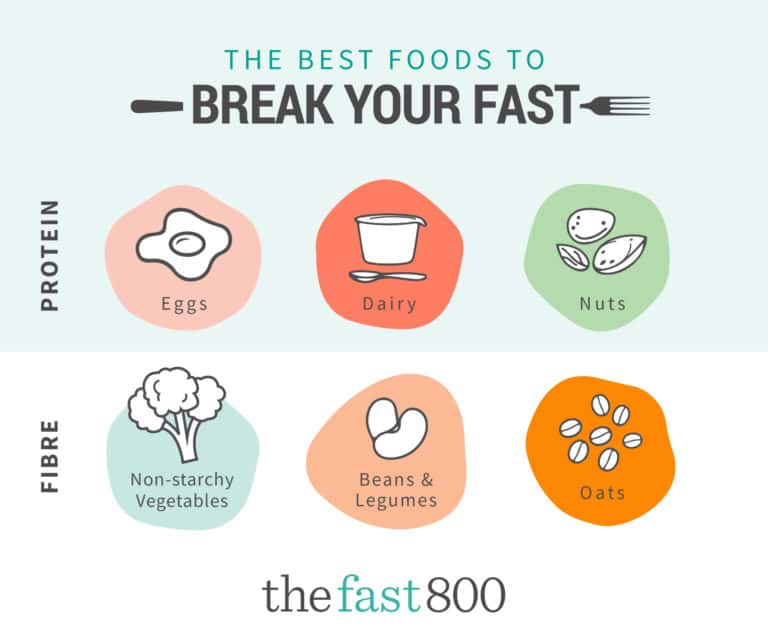
Follow these principles:
- Start Small: Your first meal should be small and easy to digest.
- Focus on Protein & Healthy Fats: Avoid sugar and refined carbs.
- Go Slow: Wait 30-60 minutes before eating more.
Good foods to break a fast: * Bone broth * A small portion of steamed vegetables * Avocado * A handful of nuts * Scrambled eggs * A small piece of salmon
Who Should and Should Not Fast?
Fasting is a powerful tool, but it’s not for everyone. Always consult with your healthcare provider before starting any new fasting protocol.
You should exercise extreme caution or avoid fasting if you: * Are pregnant or breastfeeding. * Have a history of eating disorders. * Are underweight (BMI < 18.5). * Have Type 1 Diabetes. * Are on medications that require food intake.
Tools for Your Fasting Journey
While fasting is beautifully simple, a few tools can make the journey smoother and more effective.
- Fasting Books: To deepen your knowledge, consider reading “The Complete Guide to Fasting” by Dr. Jason Fung or “The Longevity Diet” by Dr. Valter Longo.
- Electrolyte Supplements: Crucial for fasts over 24 hours. Look for a clean, zero-calorie electrolyte powder like “LMNT” to replenish sodium, potassium, and magnesium.
- Fasting Trackers: Apps like “Zero” or “Life Fasting Tracker” can help you track your fasts, monitor your progress, and keep you motivated.
Frequently Asked Questions (FAQ)
1. Can I drink coffee while fasting? Yes, black coffee and unsweetened tea are fine. They are zero-calorie and may even enhance some of the benefits of fasting, like autophagy.
2. Will I lose muscle while fasting? For shorter fasts (under 24-48 hours), muscle loss is minimal, especially if you are engaging in resistance training. The body preferentially uses fat for fuel. For longer fasts, some muscle loss can occur, which is why proper refeeding with adequate protein is crucial.
3. What about exercise during a fast? Light to moderate exercise, like walking, yoga, or even steady-state cardio, is generally fine and can enhance the benefits. High-intensity workouts are best saved for your eating window.
4. How often should I do an extended fast? This is highly individual. A 24-hour fast can be done weekly. A 48-72 hour fast is best done monthly or quarterly. A 5-day fast is typically a 1-3 times per year event.
5. I feel hungry and irritable. Is this normal? Yes, especially in the first two weeks of adapting to a new fasting protocol. These feelings usually subside as your body becomes more metabolically flexible. Make sure you are staying hydrated and have adequate electrolyte levels.
The Takeaway: Start Slow, Listen to Your Body
Fasting is a journey, not a race. The best protocol is the one you can stick with consistently and safely. Start with 16:8, build your fasting muscle, and then, if you feel ready, begin to explore the more advanced protocols.
By intentionally stepping back from food, you give your body the space it needs to repair, reset, and optimize. You tap into an ancient healing mechanism that is built into your biology, unlocking a new level of health and vitality.
Related Articles on FitOnear:
- Biohacking Your Sleep: The Ultimate Guide for Peak Performance
- The Ultimate Guide to Meditation and Mindfulness for Biohackers
- Cold Therapy 101: The Benefits of Cold Showers and Ice Baths
References
[1] Johns Hopkins Medicine. (n.d.). Intermittent Fasting: What is it, and how does it work? Retrieved from https://www.hopkinsmedicine.org/health/wellness-and-prevention/intermittent-fasting-what-is-it-and-how-does-it-work
[2] Cleveland Clinic. (2022, August 23). Autophagy. Retrieved from https://my.clevelandclinic.org/health/articles/24058-autophagy
[3] Solianik, R., et al. (2016). Effect of 48 h Fasting on Autonomic Function, Brain Activity, and Cognitive Performance in Amateur Weight Lifters. PMC. Retrieved from https://pmc.ncbi.nlm.nih.gov/articles/PMC5153500/
[4] Medical News Today. (n.d.). The benefits of 16:8 intermittent fasting, and how to do it. Retrieved from https://www.medicalnewstoday.com/articles/327398
[5] Healthline. (2023, February 9). One Meal a Day Diet: Benefits, Risks, and More. Retrieved from https://www.healthline.com/health/one-meal-a-day
[6] Cheng, C. W., et al. (2014). Prolonged fasting reduces IGF-1/PKA to promote hematopoietic-stem-cell-based regeneration and reverse immunosuppression. Cell Stem Cell. Retrieved from https://www.cell.com/cell-stem-cell/fulltext/S1934-5909(14)00151-9
[7] Longo, V. (n.d.). The Longevity Diet. Retrieved from https://valterlongo.com/the-longevity-diet/
[8] Wei, M., et al. (2017). Fasting-mimicking diet and markers/risk factors for aging, diabetes, cancer, and cardiovascular disease. Science Translational Medicine. Retrieved from https://pmc.ncbi.nlm.nih.gov/articles/PMC6816332/