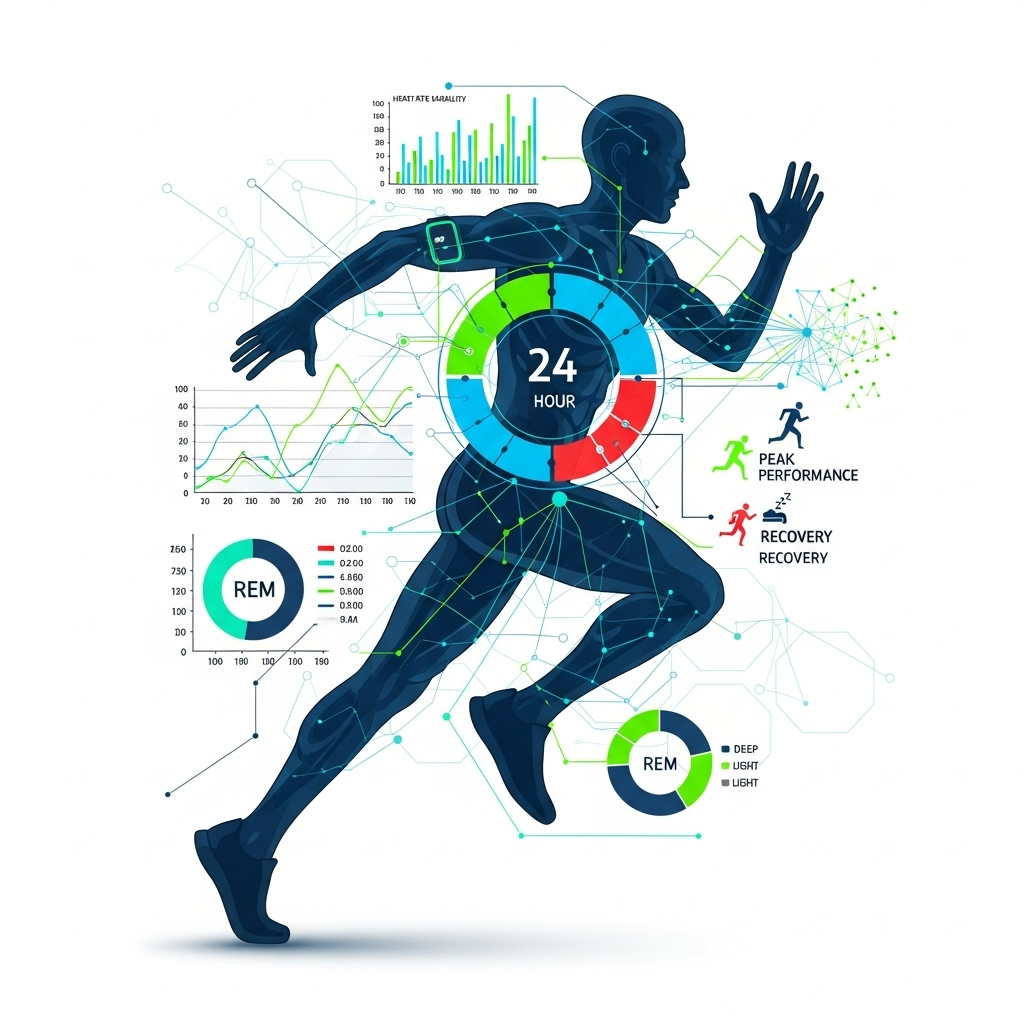
In the pursuit of athletic excellence, we meticulously plan our training schedules, optimize our nutrition, and prioritize sleep. Yet, many athletes overlook a powerful, inherent system that profoundly influences every aspect of their performance and recovery: the circadian rhythm. This internal 24-hour clock, governed by natural light-dark cycles, regulates a myriad of physiological processes, from hormone secretion and metabolism to body temperature and cognitive function. For the biohacker, understanding and strategically aligning with this natural rhythm offers a profound advantage, unlocking new levels of energy, focus, and restorative power. This blog post will delve into the science of the circadian rhythm and how you can biohack your body clock to achieve peak athletic performance and accelerate recovery, transforming your daily routine into a powerful tool for optimizing your physical potential.
Understanding Your Internal Clock: The Circadian Rhythm
The circadian rhythm is a sophisticated biological clock located in the suprachiasmatic nucleus (SCN) of the hypothalamus in the brain. It orchestrates nearly all bodily functions, ensuring they occur at optimal times throughout the day and night. Key processes influenced by your circadian rhythm include:
- Sleep-Wake Cycle: The most obvious manifestation, dictating when you feel sleepy and when you are alert.
- Hormone Release: Regulating the secretion of hormones like cortisol (stress hormone), melatonin (sleep hormone), and growth hormone (muscle repair and growth).
- Metabolism: Influencing glucose regulation, insulin sensitivity, and fat metabolism.
- Body Temperature: Your core body temperature naturally fluctuates throughout the day, peaking in the late afternoon/early evening.
- Cognitive Function: Affecting alertness, focus, memory, and reaction time.
- Physical Performance: Strength, endurance, and coordination exhibit diurnal patterns, often peaking at specific times of the day [1].
When your lifestyle is out of sync with your natural circadian rhythm, it can lead to a state of
circadian disruption, which can negatively impact athletic performance, recovery, and overall health. This is why biohacking your body clock is so crucial.
How Circadian Rhythm Impacts Athletic Performance
The influence of your internal clock on your physical capabilities is profound. Understanding these connections allows athletes to strategically schedule their training and competition for optimal results.
Peak Performance Windows
Research indicates that most physical performance metrics, including strength, power, and endurance, tend to peak in the late afternoon or early evening (typically between 4 PM and 7 PM) [2, 3]. This is often attributed to several circadian-regulated factors:
- Core Body Temperature: Body temperature is usually at its highest in the late afternoon, which can improve muscle elasticity, nerve conduction velocity, and enzyme activity, all contributing to better performance.
- Hormone Levels: Cortisol levels, which are catabolic, are typically lower in the evening, while anabolic hormones like testosterone may be more favorable for muscle building and repair.
- Lung Function: Respiratory function, including lung capacity and airflow, tends to be optimal in the late afternoon.
- Neuromuscular Efficiency: Reaction time and coordination are often at their best during these peak performance windows.
Training or competing during these natural peak times can lead to better outcomes, higher intensity, and reduced risk of injury.
Recovery and Sleep Quality
Sleep is inextricably linked to your circadian rhythm, and its quality directly impacts recovery. Disruptions to your circadian rhythm, such as irregular sleep schedules or exposure to artificial light at night, can impair melatonin production and lead to fragmented sleep. During deep sleep, the body releases growth hormone, crucial for muscle repair and regeneration. Poor sleep quality due to circadian misalignment can hinder this vital recovery process, leading to increased muscle soreness, reduced adaptation to training, and a higher risk of overtraining [4].
Metabolism and Energy Regulation
Your circadian rhythm also dictates the optimal timing for metabolic processes. Insulin sensitivity, for example, is generally higher in the morning and decreases throughout the day. Eating large meals late at night, when your body is naturally preparing for rest and metabolic activity is slowing down, can lead to impaired glucose regulation and potentially hinder recovery and body composition goals. Aligning your meal timing with your circadian rhythm can optimize nutrient absorption and utilization, providing consistent energy for training and efficient recovery.
Biohacking Your Circadian Rhythm for Athletic Advantage
Optimizing your body clock involves strategic interventions that reinforce natural light-dark cycles and consistent routines. The goal is to send clear signals to your SCN, helping it to regulate your internal processes more effectively.
1. Master Light Exposure
Light is the most powerful zeitgeber (time-giver) for your circadian rhythm. Strategic light exposure is paramount:
- Morning Sunlight Exposure: Get 10-30 minutes of natural sunlight within an hour of waking up. This signals to your brain that the day has begun, boosts alertness, and helps suppress melatonin production at the right time. This is particularly important for athletes who train early in the morning.
- Minimize Artificial Light at Night: As evening approaches, reduce exposure to bright artificial light, especially blue light from screens (phones, tablets, computers, TVs). Blue light suppresses melatonin production, delaying sleep onset and disrupting sleep quality. Use blue light blocking glasses, activate night mode on devices, or dim lights in your home.
- Darkness for Sleep: Ensure your sleep environment is as dark as possible. Even small amounts of light can interfere with melatonin production and deep sleep. Use blackout curtains, eye masks, and cover any glowing electronics.
2. Consistent Sleep-Wake Schedule
Going to bed and waking up at the same time every day, including weekends, is perhaps the most impactful biohack for circadian alignment. This consistency reinforces your body’s natural rhythm, making it easier to fall asleep, stay asleep, and wake up feeling refreshed. Aim for 7-9 hours of quality sleep per night.
3. Strategic Meal Timing
Aligning your eating window with your circadian rhythm can optimize metabolic function:
- Early Dinner: Aim to finish your last meal several hours before bedtime. This allows your digestive system to wind down before sleep, promoting better digestion and more restorative rest.
- Avoid Late-Night Snacking: Eating close to bedtime can disrupt blood sugar regulation and interfere with sleep quality.
- Consider Time-Restricted Eating: This involves consuming all your meals within a specific window (e.g., 8-12 hours) each day. This can enhance metabolic flexibility and support circadian alignment.
4. Optimize Training Timing
While individual preferences and schedules vary, consider scheduling your most intense workouts during your natural peak performance window (late afternoon/early evening) if possible. If morning workouts are unavoidable, ensure you get adequate light exposure beforehand to signal wakefulness and prime your body.
5. Manage Jet Lag and Shift Work
For athletes who travel across time zones or engage in shift work, managing circadian disruption is critical:
- Gradual Adjustment: Gradually shift your sleep-wake and meal times a few days before travel.
- Strategic Light Exposure: Use light exposure to help reset your clock in the new time zone. Seek bright light during the day and avoid it at night.
- Melatonin Supplementation: Small doses of melatonin can help to adjust your sleep schedule when crossing time zones, but consult with a healthcare professional.
Conclusion: Synchronize for Success
The circadian rhythm is a powerful, often underestimated, determinant of athletic performance and recovery. By consciously biohacking your body clock through strategic light exposure, consistent sleep-wake schedules, optimized meal timing, and intelligent training practices, you can synchronize your internal rhythms with your external demands. This alignment not only enhances physical capabilities like strength, endurance, and reaction time but also improves crucial aspects of recovery, hormonal balance, and metabolic efficiency. Embracing the circadian advantage is about working with your body’s natural intelligence, not against it, leading to a more resilient, energetic, and ultimately higher-performing version of yourself. Unlock the power of your internal clock, and watch your athletic potential soar.
References:
[1] Circadian rhythmicity in components of athletic performance can be modulated by workload, psychological stressors, motivation, morningness/eveningness … Pubmed.ncbi.nlm.nih.gov. Available at: https://pubmed.ncbi.nlm.nih.gov/3906341/
[2] Exercise performance exhibits diurnal patterns, which peaks in the late afternoon/evening (16:00–19:00 h). Sciencedirect.com. Available at: https://www.sciencedirect.com/science/article/pii/S0891584924006075
[3] Generally, peak performances have been found to occur in the early evening, at approximately the peak of core body temperature. Pmc.ncbi.nlm.nih.gov. Available at: https://pmc.ncbi.nlm.nih.gov/articles/PMC3761508/
[4] Sleep, circadian rhythms, and athletic performance. Sciencedirect.com. Available at: https://www.sciencedirect.com/science/article/pii/S1087079214001233