For decades, dietary advice has largely followed a
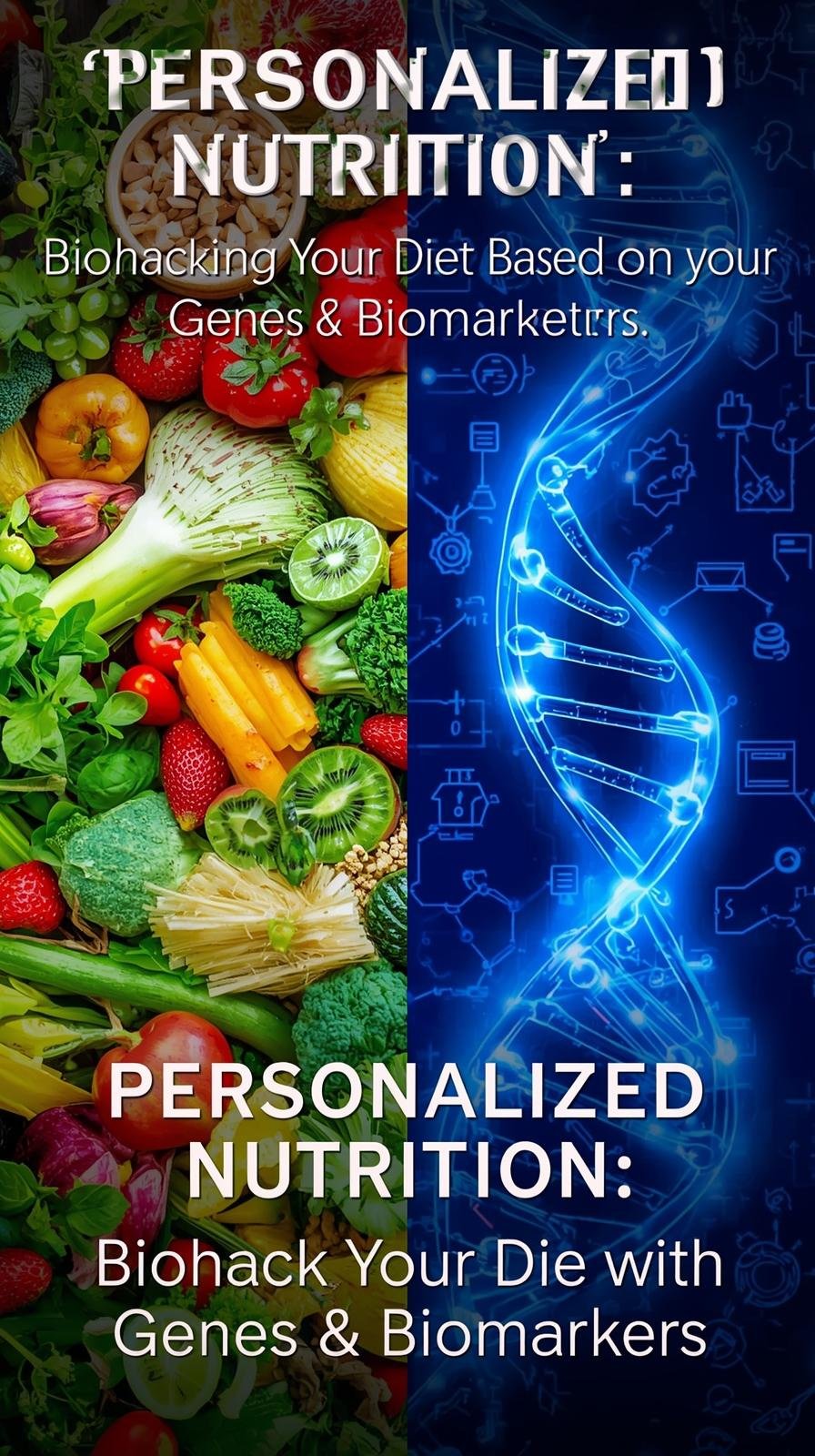
“one-size-fits-all” approach, often leaving individuals frustrated when generic recommendations don’t yield desired results. However, a revolutionary shift is underway in the world of diet and wellness: personalized nutrition. This cutting-edge approach moves beyond broad guidelines, leveraging individual biological data—specifically genetic testing and biomarker analysis—to craft dietary strategies that are uniquely suited to you. This is the essence of biohacking your diet, transforming how we think about food and its profound impact on our health.
This blog post will explore how understanding your unique genetic blueprint and real-time physiological markers can unlock a new era of dietary precision, optimizing your health, performance, and well-being.
The Dawn of Personalized Nutrition: Moving Beyond the Generic
Personalized nutrition is an innovative approach that tailors dietary advice to an individual’s specific needs and preferences, taking into account a comprehensive array of personal factors [1]. These factors can include genetics, the gut microbiome, current health status, lifestyle, existing dietary habits, and personal health goals [1]. The core idea is to move away from generalized dietary recommendations and instead provide targeted, effective advice that resonates with an individual’s unique biological makeup.
This approach recognizes that each person responds differently to food due to a complex interplay of internal and external factors. What might be a superfood for one person could be detrimental to another. By embracing personalization, we aim to optimize nutrient intake, improve health outcomes, and enhance adherence to dietary plans by making them more relevant and sustainable for the individual [1].
Genetic Testing: Unlocking Your Dietary Blueprint (Nutrigenomics)
At the forefront of personalized nutrition is genetic testing, specifically the field of nutrigenomics. Nutrigenomics studies how an individual’s genes interact with nutrients and influence their response to diet [1, 2]. Our genes contain vital information that dictates how our bodies process, absorb, metabolize, and utilize various nutrients and food components [3].
Genetic tests can reveal specific genetic variations that impact:
- Metabolism: How efficiently your body processes carbohydrates, fats, and proteins.
- Nutrient Absorption: Your propensity for deficiencies in certain vitamins or minerals (e.g., Vitamin D, B vitamins).
- Food Sensitivities: Genetic predispositions to sensitivities like lactose intolerance or caffeine metabolism.
- Disease Risk: How dietary choices can interact with genetic predispositions to chronic diseases [2].
The Impact of Genetic Insights
Research indicates that dietary recommendations guided by nutrigenomics can be more effective than general guidelines [4]. Individuals often find genetically-based dietary advice more credible and are more likely to adhere to it, leading to improved health outcomes [5, 6]. For example, studies have shown that nutrigenetically tailored diets can result in better compliance, greater BMI reduction, and improvements in blood glucose levels [7]. Specific genetic insights, such as those related to the APOE gene, have been shown to be more effective in guiding dietary changes to reduce saturated fat intake compared to standard advice [8]. Furthermore, some studies suggest that DNA-based dietary interventions can lead to significant improvements in cholesterol and fasting glucose levels [9].
While the field is still evolving, the promise of genetic testing lies in its ability to provide a foundational understanding of your body’s inherent predispositions, allowing for proactive and highly targeted dietary adjustments [10].
Biomarker Analysis: Real-Time Insights into Your Health
While genetic testing provides a static blueprint of your predispositions, biomarker analysis offers dynamic, real-time insights into your current physiological state and how your body is responding to your diet and lifestyle [1]. Nutritional biomarkers are measurable biological indicators—such as blood glucose, cholesterol levels, vitamin and mineral status, inflammatory markers, and hormone levels—that reflect your nutritional status and metabolic health [1, 11].
The Power of Real-Time Data
Biomarkers are crucial for identifying nutrient deficiencies, metabolic imbalances, and potential disease risks, enabling highly targeted dietary interventions [12, 13]. They allow for precise monitoring of the effectiveness of dietary changes, providing objective feedback that can guide further adjustments [13].
Key areas where biomarker analysis is transformative:
- Micronutrient Status: Assessing levels of vitamins (e.g., Vitamin D, B12) and minerals (e.g., iron, magnesium) to identify and correct deficiencies.
- Metabolic Health: Monitoring blood glucose, insulin sensitivity, and lipid profiles to manage or prevent conditions like type 2 diabetes and cardiovascular disease.
- Inflammation: Measuring inflammatory markers to identify dietary triggers and guide anti-inflammatory eating patterns.
- Hormonal Balance: Evaluating hormone levels that influence appetite, metabolism, and stress response.
- Gut Microbiome Composition: The gut microbiome is increasingly recognized as a critical biomarker. The unique community of microorganisms in your gut significantly influences nutrient absorption, metabolism, and overall health [1, 14]. Analyzing your gut microbiome can reveal how your body responds to different foods and guide dietary choices to foster a healthier gut ecosystem [15, 16].
Emerging technologies, including wearable devices and smartphone applications, are also contributing to digital biomarkers, offering continuous monitoring of physiological responses to food and activity, further enhancing the precision of personalized nutrition [17].
Integrating Genes & Biomarkers: The Future of Eating
The true power of biohacking your diet emerges when genetic insights are combined with real-time biomarker data. Your genes tell you what your body is predisposed to, while biomarkers tell you what’s happening right now. This integrated approach allows for:
- Proactive Prevention: Identifying genetic risks and using dietary strategies to mitigate them before health issues arise.
- Dynamic Adjustments: Modifying your diet based on how your body is currently responding, as reflected by your biomarkers.
- Sustainable Habits: Creating dietary plans that are not only effective but also aligned with your individual preferences and lifestyle, making them easier to maintain long-term.
This synergistic approach moves us light-years beyond generic dietary advice, offering a pathway to truly optimize health, prevent disease, and enhance performance at an individual level.
Challenges and Considerations
While the potential of personalized nutrition is immense, it’s important to acknowledge current challenges:
- Scientific Validation: The field is rapidly advancing, but more large-scale, long-term clinical trials are needed to fully validate many specific gene-diet and biomarker-diet interactions [10].
- Cost and Accessibility: Comprehensive genetic and biomarker testing can be expensive, limiting accessibility for many individuals [1].
- Ethical and Privacy Concerns: The collection and interpretation of sensitive genetic and health data raise important questions about privacy, data security, and the potential for misinterpretation [1].
- Qualified Guidance: Navigating complex genetic and biomarker data requires expertise. It is crucial to seek guidance from qualified healthcare professionals, such as registered dietitians or nutritionists specializing in nutrigenomics, to ensure accurate interpretation and safe, effective recommendations [1].
Conclusion
Personalized nutrition, driven by insights from genetic testing and biomarker analysis, represents a paradigm shift in how we approach diet and health. By understanding your unique genetic predispositions and monitoring your body’s real-time responses, you can move beyond the limitations of one-size-fits-all advice and embark on a dietary journey that is truly tailored to you. This biohacking diet approach empowers you to make informed choices that optimize your health, boost your energy, and pave the way for a more vibrant and resilient future. Embrace the science, understand your body, and unlock your full health potential.
References
[1] IFIC. (n.d.). What Is Personalized Nutrition? Retrieved from https://ific.org/resources/articles/personalized-nutrition-ready-for-prime-time/
[2] Chaudhary, D. (2025). Nutrigenomics and personalized diets – Tailoring nutrition. ScienceDirect.
[3] BDA. (2022). Dietary DNA tests: how they work, and what they’re useful for. Retrieved from https://www.bda.uk.com/resource/dietary-dna-tests-how-they-work-and-what-theyre-useful-for.html
[4] Do Rosario, N. A. D. (2025). Exploring the future of nutrigenomics: dietitians’ perceptions. Genes and Nutrition.
[5] Nielsen, D. E. (2012). A randomized trial of genetic information for personalized nutrition. PMC.
[6] Moitra, P. (2024). Development and psychometric evaluation of. Nature Scientific Reports.
[7] Arkadianos, I. (2007). Improved weight management using genetic information to. PMC.
[8] Ramos-Lopez, O., et al. (2017). Guide for current nutrigenetic, nutrigenomic, and nutriepigenetic approaches for precision nutrition involving the prevention and management of chronic diseases. Journal of Nutritional Biochemistry.
[9] MyGeneFood. (2025). DNA Diet Testing: What Works and What Doesn’t. Retrieved from https://www.mygenefood.com/blog/in-defense-of-dna-diets-they-can-and-do-work/
[10] Horne, J., et al. (2020). Assessing the effectiveness of actionable nutrigenomics and lifestyle genomics interventions for weight management in clinical practice: A critical, scoping review. Nutrition and Health.
[11] Picó, C. (2019). Biomarkers of Nutrition and Health: New Tools for New. PMC.
[12] Pokushalov, E. (2024). A Narrative Review of Precision in Personalized Nutrition. PubMed.
[13] Pokushalov, E. (2024). Biomarker-Guided Dietary Supplementation: A Narrative. MDPI.
[14] Song, E. J. (2022). Personalized Diets based on the Gut Microbiome as a. PMC.
[15] Kolodziejczyk, A. A. (2019). Diet–microbiota interactions and personalized nutrition. Nature Microbiology.
[16] Iacomino, G. (2024). Editorial: Personalized nutrition and gut microbiota. Frontiers in Nutrition.
[17] van den Brink, W. J. (2022). Digital Biomarkers for Personalized Nutrition: Predicting. PMC.