Welcome, biohackers! If you’re constantly searching for the next frontier in human optimization, you’ve likely heard the buzz around a class of compounds that promises to revolutionize everything from injury recovery to immune function and even the aging process itself: peptides.
As we look toward 2026, the era of peptide therapy is no longer confined to elite athletes and anti-aging clinics. It’s rapidly becoming one of the most exciting and accessible tools in the biohacker’s toolkit. Yet, for many, the world of peptides remains a complex and often confusing landscape of cryptic names, conflicting information, and legal gray areas.
This guide is here to change that. We’re cutting through the noise to give you a clear, science-backed, and actionable roadmap to understanding and utilizing therapeutic peptides. We’ll explore what they are, how they work, and take a deep dive into the three most talked-about peptides for recovery, performance, and longevity: BPC-157, TB-500, and Thymosin Alpha-1.
Whether you’re looking to heal a nagging injury, accelerate your post-workout recovery, or fortify your immune system for the long haul, this guide will equip you with the knowledge to make informed decisions on your biohacking journey.
What Exactly Are Peptides?
At the most basic level, peptides are short chains of amino acids, which are the fundamental building blocks of proteins [1]. Think of them as small, precision-guided messengers that signal your cells to perform specific functions. While your body produces its own peptides (endogenous), the real power for biohackers lies in therapeutic peptides—synthetic versions administered to achieve a specific health outcome.
Peptides are a growing subject of curiosity for many people. Advertisements and online discussions suggest that these medicines may be a miracle solution for achieving myriad health outcomes, including but not limited to weight loss, muscle growth, longevity, and overall well-being. [2]
Unlike large protein molecules, peptides are small enough to be readily absorbed and utilized by the body, allowing them to exert powerful and targeted effects. They are the keys that unlock specific biological processes, from reducing inflammation to stimulating tissue regeneration.
The Holy Trinity of Recovery Peptides
While hundreds of therapeutic peptides exist, three have risen to prominence in the biohacking community for their remarkable effects on recovery, healing, and overall resilience. Let’s break them down.
1. BPC-157: The
Body’s Ultimate Repair Crew
BPC-157, short for Body Protection Compound-157, is a naturally occurring peptide found in human gastric juice [3]. Its primary function in the body is to protect and heal the digestive tract. However, researchers have discovered that when isolated and administered, it has a systemic healing effect on a wide range of tissues, including muscles, tendons, ligaments, and bones.
It has gained a reputation as the go-to peptide for injury recovery, and for good reason. Preclinical studies have shown its remarkable ability to accelerate healing and reduce inflammation [3].
How BPC-157 Works
BPC-157 is a multi-faceted healing agent. Its primary mechanisms of action include:
- Promoting Angiogenesis: It stimulates the formation of new blood vessels, which is critical for bringing blood, oxygen, and nutrients to an injured area [3].
- Upregulating Growth Hormone Receptors: It increases the sensitivity of cells to growth hormone, amplifying the body’s natural repair signals [4].
- Reducing Inflammation: It significantly lowers inflammatory cytokines like IL-6 and TNF-α, helping to control the inflammatory response and speed up recovery [3].
- Activating Fibroblasts: It enhances the activity of fibroblasts, the cells responsible for building and repairing connective tissues like tendons and ligaments [5].
Key Benefits of BPC-157
- Accelerated Injury Recovery: From muscle tears to tendonitis and even bone fractures, BPC-157 has been shown to speed up healing times significantly.
- Reduced Pain and Inflammation: By modulating the inflammatory response, it can provide rapid relief from injury-related pain.
- Gut Health and Digestive Support: True to its origins, it is highly effective at healing gut issues like leaky gut, IBS, and ulcers.
- Joint Health: It can help repair and regenerate damaged cartilage, making it a promising option for those with joint pain and arthritis.
In a human study on chronic knee pain, 7 out of 12 patients reported significant relief for over six months after a single intra-articular injection of BPC-157 [3].
2. TB-500 (Thymosin Beta-4): The Regeneration Accelerator
TB-500 is the synthetic version of Thymosin Beta-4 (TB4), a naturally occurring peptide present in virtually all human and animal cells [6]. TB4 is a critical protein for healing and regeneration, and TB-500 is a shorter, more stable, and potentially more bioavailable version that captures its primary healing capabilities.
While BPC-157 is often seen as the localized “spot treatment” for injuries, TB-500 is considered a more systemic healing agent, promoting recovery and flexibility throughout the body.
How TB-500 Works
TB-500’s primary power lies in its ability to upregulate a protein called actin. Actin is a vital component of cell structure and movement. By interacting with actin, TB-500 promotes:
- Cell Migration: It helps healing cells travel to the site of an injury.
- Stem Cell Activation: It can activate stem cells, which are crucial for creating new tissue.
- Reduced Inflammation: Like BPC-157, it has potent anti-inflammatory effects.
- Angiogenesis: It also promotes the growth of new blood vessels.
Key Benefits of TB-500
- Systemic Healing: It works throughout the body to reduce inflammation and promote repair.
- Improved Flexibility: It can help reduce scar tissue and adhesions, leading to greater flexibility and range of motion.
- Faster Wound Healing: Clinical trials have shown that TB4 (the natural version of TB-500) significantly accelerates wound healing in the skin, eyes, and heart [7].
- Hair Growth: Some preclinical studies suggest it may even stimulate hair growth [8].
3. Thymosin Alpha-1: The Immune System Architect
While BPC-157 and TB-500 are primarily focused on physical repair, Thymosin Alpha-1 (Tα1) is a master regulator of the immune system [9]. It’s a naturally occurring peptide produced by the thymus gland, and its primary role is to enhance and modulate immune function.
For biohackers, Tα1 is a powerful tool for building a resilient immune system, fighting off chronic infections, and supporting overall vitality.
How Thymosin Alpha-1 Works
Tα1 acts as a potent immune modulator, meaning it can either boost a weak immune system or calm down an overactive one. It works by:
- Enhancing T-Cell Function: It stimulates the production and activity of T-cells, which are the primary soldiers of your immune system [9].
- Activating Dendritic Cells: These cells are crucial for presenting foreign invaders to the immune system so they can be destroyed [10].
- Modulating Cytokines: It helps balance the production of inflammatory and anti-inflammatory cytokines, ensuring a healthy immune response [9].
Key Benefits of Thymosin Alpha-1
- Enhanced Immune Function: It is highly effective at strengthening the body’s defenses against viruses, bacteria, and other pathogens.
- Treatment for Chronic Infections: It has been used clinically to treat conditions like Hepatitis B & C, HIV/AIDS, and even COVID-19 [9] [11].
- Anti-Aging: A robust immune system is a cornerstone of healthy aging, and Tα1 can help maintain immune function as we get older.
- Cancer Support: It is used in some clinical settings to support the immune system during cancer treatment [9].
Peptides at a Glance: BPC-157 vs. TB-500 vs. Tα1
| Feature | BPC-157 | TB-500 (Thymosin Beta-4) | Thymosin Alpha-1 |
|---|---|---|---|
| Primary Function | Localized Injury Repair | Systemic Healing & Flexibility | Immune Modulation |
| Best For | Tendon, ligament, muscle, bone injuries, gut health | Widespread inflammation, muscle recovery, wound healing | Chronic infections, immune support, anti-aging |
| Mechanism | Angiogenesis, GH receptor upregulation | Actin upregulation, cell migration | T-cell enhancement, cytokine modulation |
| Clinical Evidence | Limited (mostly preclinical) | Moderate (human trials on TB4) | Strong (approved for clinical use) |
| Safety Profile | Good (preclinical), no human data | Good (TB4), no data on TB-500 | Excellent (well-studied in humans) |
The Biohacker’s Protocol: Sourcing, Safety, and Administration
Now for the most critical part of your peptide journey: using them safely and effectively. The world of peptides is largely unregulated, so it’s essential to proceed with caution and do your own research.
Sourcing: The Wild West
This is the biggest challenge for biohackers. Because most peptides are not FDA-approved for general use, they exist in a legal gray area. Here’s what you need to know:
- “Research Chemicals”: Most online vendors sell peptides labeled “for research purposes only.” The quality, purity, and sterility of these products can vary wildly.
- Compounding Pharmacies: The most legitimate way to obtain peptides is through a prescription from a knowledgeable doctor who can send it to a reputable compounding pharmacy. This ensures you are getting a pure, sterile, and accurately dosed product.
- Red Flags: Be wary of vendors making outlandish claims, offering unusually low prices, or selling peptides in pre-mixed syringes.
Disclaimer: This information is for educational purposes only. FitOnear does not endorse or recommend any specific peptide supplier. Always consult with a qualified healthcare professional before starting any new treatment.
Administration: Needles, Sprays, and Capsules
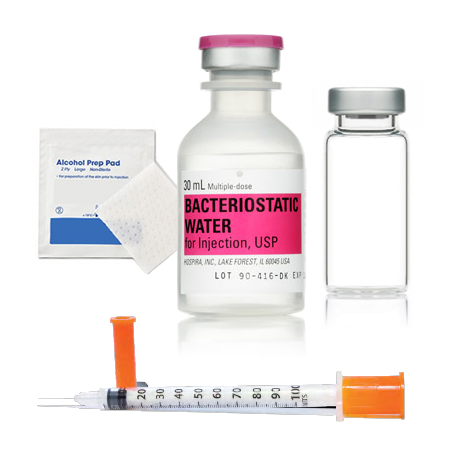
Peptides can be administered in several ways, but the most common and effective method is subcutaneous injection.
- Subcutaneous Injections: This involves injecting the peptide into the fatty layer just under the skin using a small insulin syringe. It’s the most common method for BPC-157, TB-500, and Thymosin Alpha-1 because it offers the best bioavailability.
- Oral Capsules: Some peptides, like BPC-157, are available in capsule form. While convenient, their oral bioavailability is much lower than injections, especially for systemic effects.
- Nasal Sprays: Another less common option, nasal sprays may offer better bioavailability than oral capsules for some peptides, but they are still generally less effective than injections.
Safety and Legality
- Safety: While preclinical data for BPC-157 and TB-500 show a good safety profile, the lack of long-term human studies is a significant concern. Thymosin Alpha-1 has a well-established safety record in clinical use. The biggest risk comes from unregulated, contaminated products.
- Legality: In the United States, it is legal to purchase and possess peptides for personal research. However, it is illegal to sell them for human consumption without a prescription. Many sporting organizations, including the World Anti-Doping Agency (WADA), have banned BPC-157 and TB-500 [3].
The Future is Regenerative
Peptides represent a paradigm shift in how we approach health and performance. Instead of just managing symptoms, we can now use these powerful signaling molecules to instruct our bodies to heal, regenerate, and optimize from within.
While the landscape is still evolving, the science is incredibly promising. As research continues and regulations become clearer, peptides are poised to become a cornerstone of mainstream medicine and biohacking.
Are you ready to explore the future of human optimization? Start by having an informed conversation with your healthcare provider and remember that on your biohacking journey, knowledge is your most powerful tool.
Frequently Asked Questions About Peptides
Q: Are peptides safe for biohacking?
A: The safety of peptides depends on the specific peptide, its source, and how it’s used. Thymosin Alpha-1 has an excellent safety profile with extensive clinical data. BPC-157 and TB-500 show good safety in preclinical studies, but lack long-term human safety data. The biggest risk comes from unregulated, contaminated products. Always source from reputable suppliers and work with a healthcare professional.
Q: How long does it take to see results from peptide therapy?
A: Results vary by peptide and individual. For injury recovery with BPC-157 or TB-500, some users report improvements within 1-2 weeks, with optimal results at 4-6 weeks. For immune support with Thymosin Alpha-1, benefits may be noticed within a few weeks of consistent use. Patience and consistency are key.
Q: Can I stack multiple peptides together?
A: Yes, many biohackers use peptide “stacks” like the popular “Wolverine Stack” (BPC-157 + TB-500) for enhanced recovery. However, peptides should be administered in separate injections, not mixed together. Always research interactions and start with one peptide at a time to assess your individual response.
Q: Where can I legally purchase peptides?
A: In the United States, peptides can be purchased from online research chemical suppliers for “research purposes only,” though quality varies significantly. The most legitimate route is obtaining a prescription from a licensed physician who can send it to a reputable compounding pharmacy. This ensures purity, sterility, and accurate dosing.
Q: Do I need to inject peptides, or can I take them orally?
A: While some peptides are available in oral or nasal spray forms, subcutaneous injection is generally the most effective method due to superior bioavailability. Oral peptides often have bioavailability as low as 1-2% because they degrade in the digestive tract. If you’re uncomfortable with injections, discuss alternatives with your healthcare provider.
Q: Are peptides banned in sports?
A: Yes, many peptides including BPC-157 and TB-500 are banned by the World Anti-Doping Agency (WADA), UFC, NFL, and other major sporting organizations. If you compete in organized sports, check your organization’s banned substance list before using any peptide.
Q: How should I store peptides?
A: Unreconstituted peptide powder should be stored in a cool, dry place or refrigerator. Once reconstituted with bacteriostatic water, peptides must be stored in the refrigerator at approximately 4°C (39°F) and typically remain stable for about 30 days. Never freeze reconstituted peptides or shake them vigorously.
Essential Tools & Resources for Your Peptide Journey
If you’re ready to dive into the world of peptide therapy, having the right tools and knowledge is crucial. Here are some highly-rated resources to help you get started safely and effectively.
Educational Resources
Peptide Therapy Handbook: A Comprehensive Guide
This comprehensive guide is an excellent starting point for anyone serious about understanding therapeutic peptides. It covers protocols for longevity, muscle growth, weight loss, and recovery with detailed administration guidelines. Whether you’re a beginner or looking to deepen your knowledge, this handbook provides science-backed information in an accessible format.
A complete guide to safe, science-backed peptide therapy covering weight loss, muscle growth, anti-aging, gut health, brain fog, and anxiety management. This resource is perfect for biohackers who want to understand the full spectrum of peptide applications.
Storage & Administration Supplies
Proper storage is critical for maintaining peptide potency. This insulin vial holder fits 1ml, 2ml, and 3ml standard vials and is perfect for both refrigerator storage and travel. It keeps your peptides organized, protected, and at the right temperature.
Reconstitution Solution (Bacteriostatic Water)
High-quality bacteriostatic water is essential for reconstituting peptide powders. Look for products that come in sterile glass vials with 0.9% benzyl alcohol. This 2-pack of 30ml vials provides clear and consistent composition for safe peptide preparation.
Sterile Glass Vials for Peptide Storage
If you’re mixing your own peptides or need additional sterile storage, these 2ml glass vials with self-healing injection ports and flip caps are laboratory-grade quality. They ensure your peptides remain sterile and uncontaminated.
Note: Always ensure you’re purchasing from reputable sellers and that products are intended for your specific use case. Consult with a healthcare professional before starting any peptide protocol.
Related Articles on FitOnear
If you found this guide helpful, you’ll also want to explore these related topics on optimizing your biology:
- Post-Workout Biohacks: A Smarter Way to Accelerate Muscle Repair and Growth
- The Biohacker’s Guide to Essential Supplements: Unlock Your Full Potential
- Biohacking Your Fitness: A Beginner’s Guide to Optimizing Performance and Recovery
- The Gut-Brain-Muscle Connection: A Biohacker’s Guide to Optimizing Performance from Within
- Unlock Your Body’s Healing: Advanced Biohacking Recovery Strategies for Athletes
References
[1] Innerbody Research. “Beginner’s Guide to Peptide Therapy [2026].” Innerbody.com, Jul. 14, 2025, https://www.innerbody.com/beginners-guide-to-peptide-therapy.
[2] Vogue. “What Is Peptide Stacking—And Is It Healthy?” Vogue, Nov. 12, 2025, https://www.vogue.com/article/what-is-peptide-stacking-and-is-it-healthy.
[3] Vasireddi, Nikhil, et al. “Emerging Use of BPC-157 in Orthopaedic Sports Medicine: A Systematic Review.” HSS Journal, vol. 21, no. 3, 2025, pp. 1-12, https://pmc.ncbi.nlm.nih.gov/articles/PMC12313605/.
[4] Chang, Chung-Hsun, et al. “Pentadecapeptide BPC 157 Enhances the Growth Hormone Receptor Expression in Tendon Fibroblasts.” Molecules, vol. 19, no. 11, 2014, p. 19066., https://pmc.ncbi.nlm.nih.gov/articles/PMC6271067/.
[5] Examine.com. “Research Breakdown on BPC-157.” Examine.com, https://examine.com/supplements/bpc-157/research/.
[6] Innerbody Research. “TB4 and TB-500 Peptide Therapy | What to Know in 2026.” Innerbody.com, Mar. 28, 2025, https://www.innerbody.com/thymosin-beta-4-and-tb-500.
[7] Malinda, K. M., et al. “Thymosin beta4 accelerates wound healing.” Journal of Investigative Dermatology, vol. 113, no. 3, 1999, pp. 364-8., https://pubmed.ncbi.nlm.nih.gov/10469335/.
[8] Philp, D., et al. “Thymosin beta4 and its N-terminal acetylated fragment, Ac-SDKP, promote hair growth in vivo.” The FASEB Journal, vol. 18, no. 2, 2004, pp. 385-7., https://faseb.onlinelibrary.wiley.com/doi/10.1096/fj.03-0709fje.
[9] Dominari, A., et al. “Thymosin alpha 1: A comprehensive review of the literature.” Expert Opinion on Biological Therapy, vol. 20, no. 12, 2020, pp. 1355-1366., https://pmc.ncbi.nlm.nih.gov/articles/PMC7747025/.
[10] Li, J., et al. “Thymosin alpha 1: biological activities, applications and production.” Peptides, vol. 31, no. 11, 2010, pp. 2151-8., https://pmc.ncbi.nlm.nih.gov/articles/PMC7115394/.
[11] Minutolo, A., et al. “Thymosin alpha 1 restores the immune homeostasis in COVID-19 patients.” Immunology Letters, vol. 261, 2023, pp. 1-8., https://www.sciencedirect.com/science/article/abs/pii/S1567576923003764.