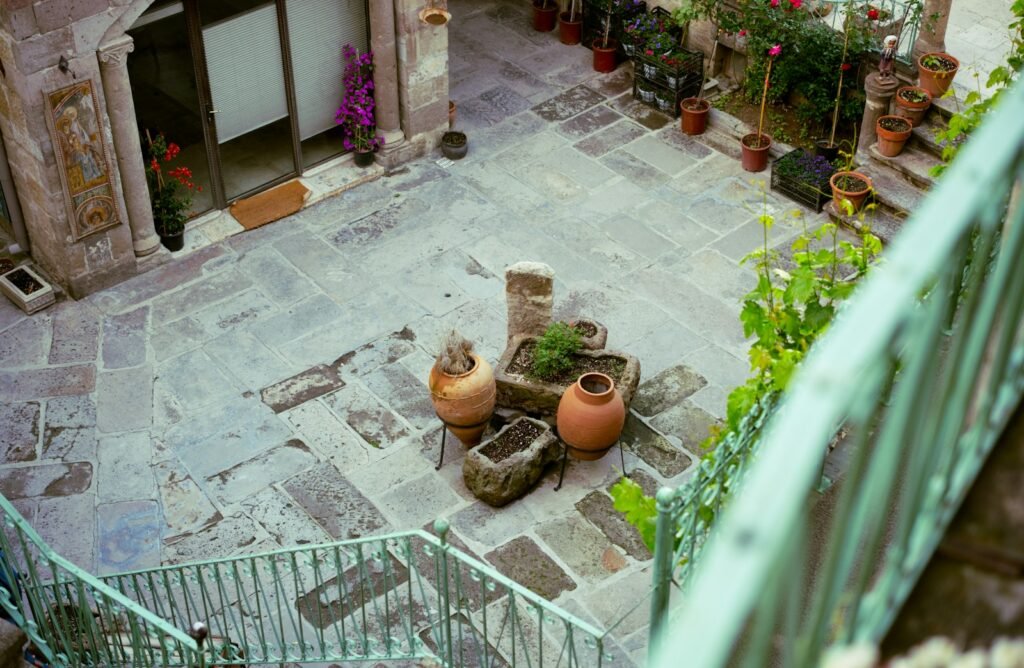
Quick story · 7 cards · about 1 min
Can a courtyard cool a house?
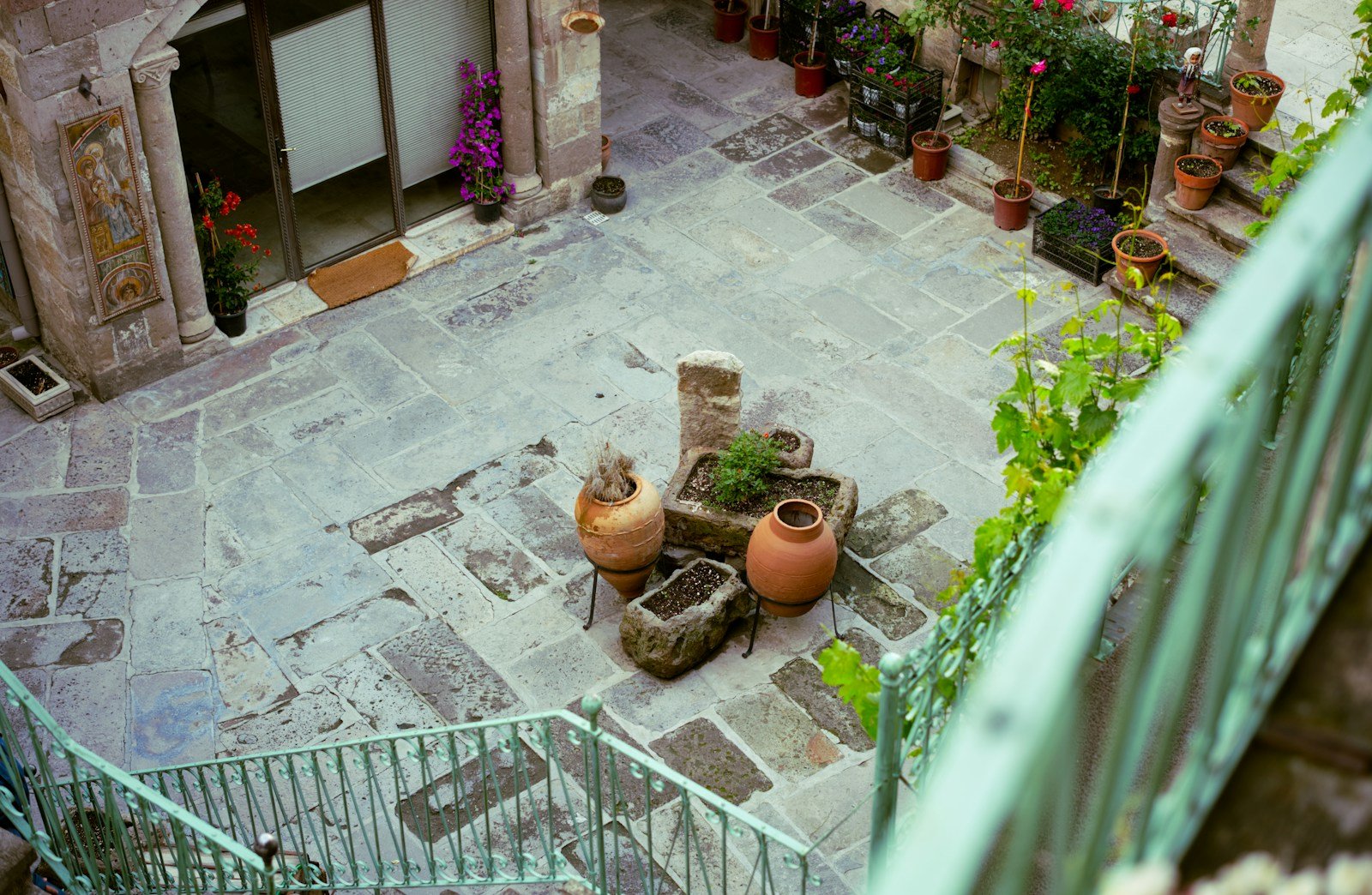
Yes, but only if you design it right. Here is what the research says, in six quick cards.
Size matters less than you think
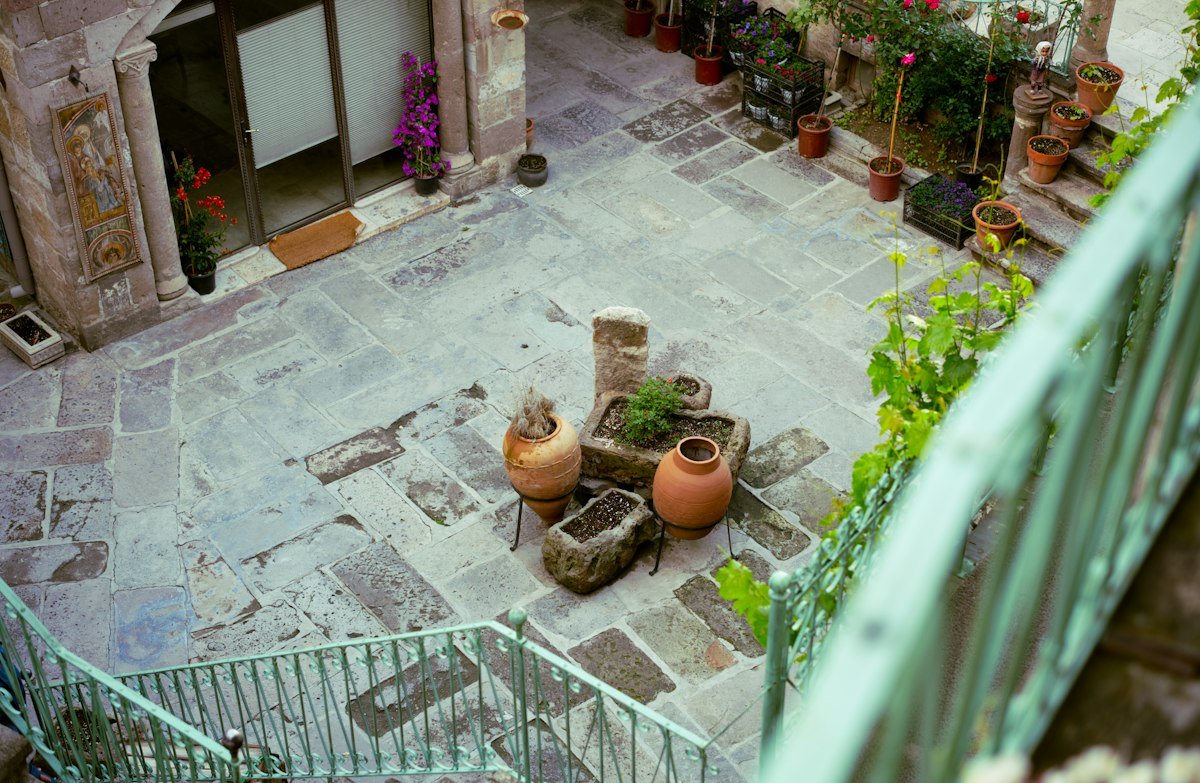
A 2025 study of villas in Riyadh, Gizan and other hot cities found windows and insulation mattered far more.
A sunny courtyard is a heat trap
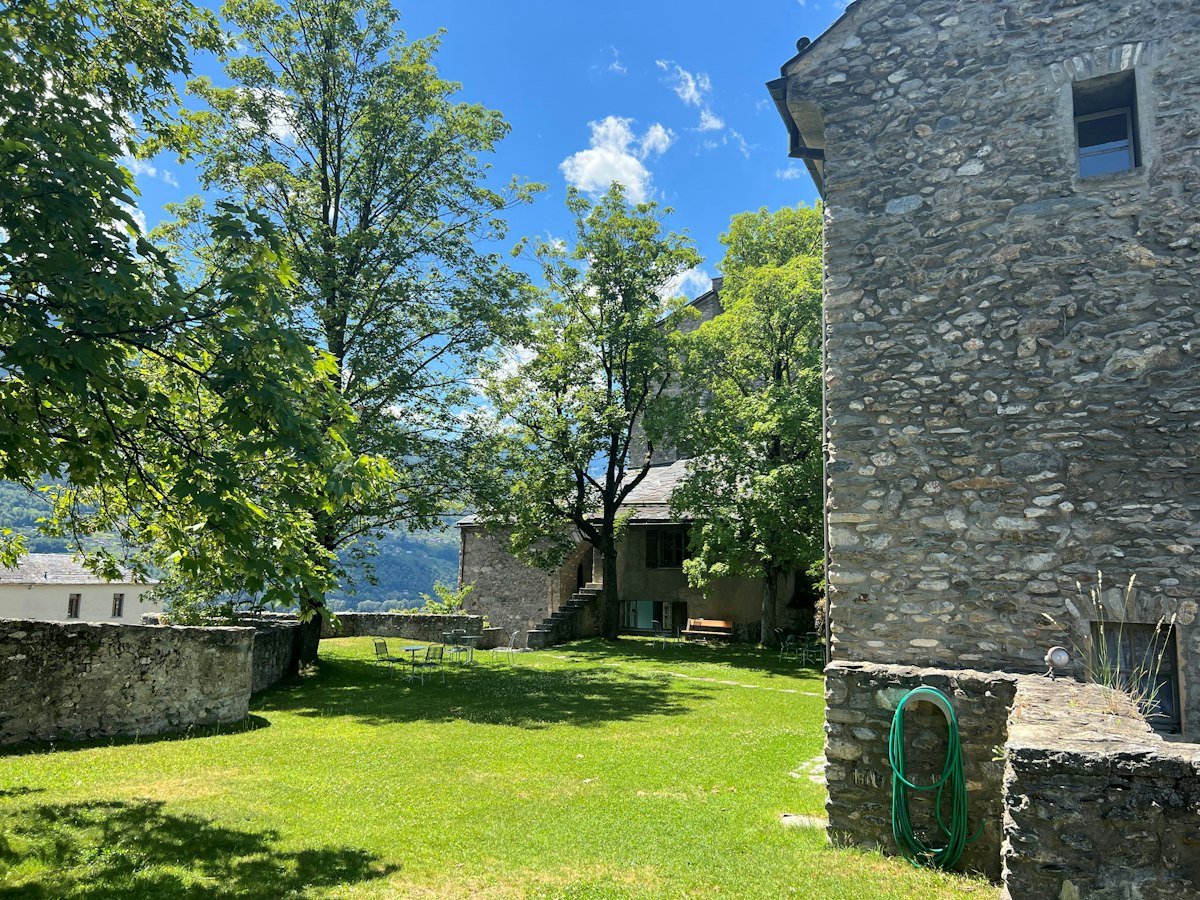
Deep, narrow, shaded courtyards stay cooler. Open, paved, sun-baked ones can make the house hotter.
Small glass on sunny sides

Keep window-to-wall ratio modest on east and west; open the house to the shaded courtyard instead.
Flush heat out after dark
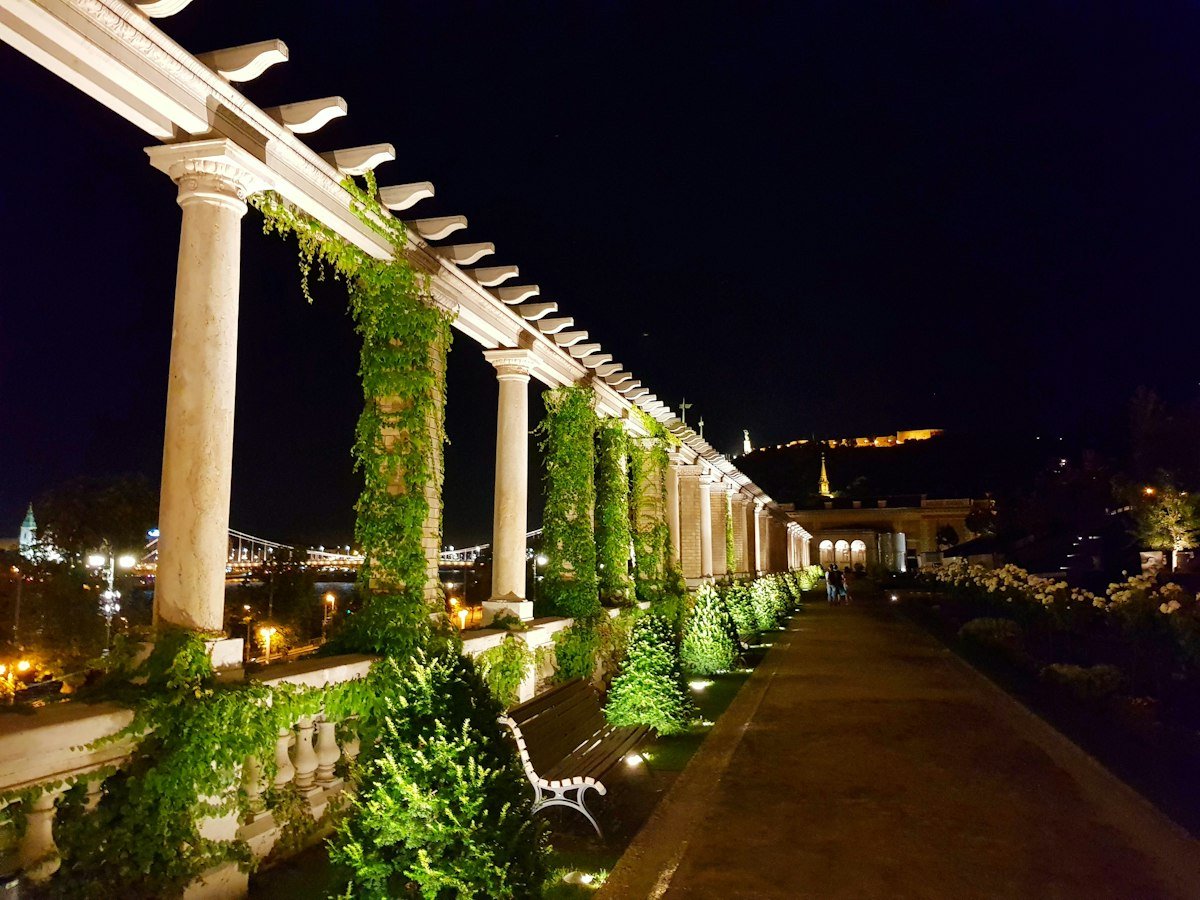
In dry climates, open up at night when air is cooler and close up by mid-morning.
Plants and water help
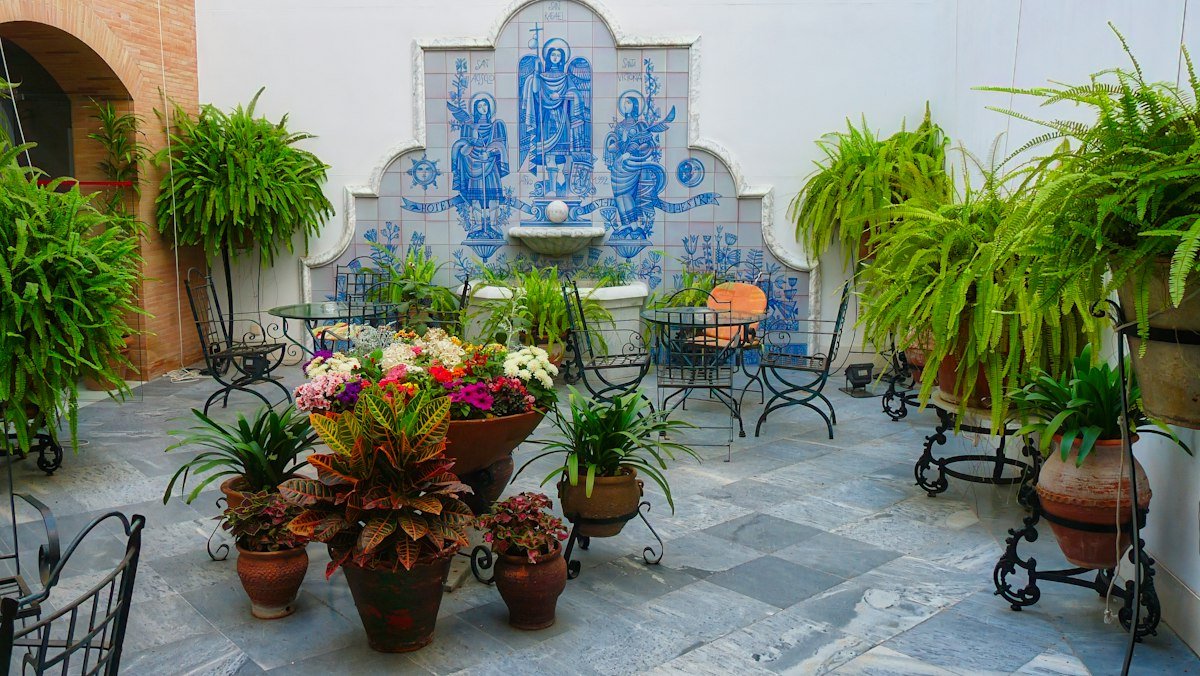
Trees, planting and a small water feature shade surfaces and soften the microclimate.
Shade first, glass second, size last
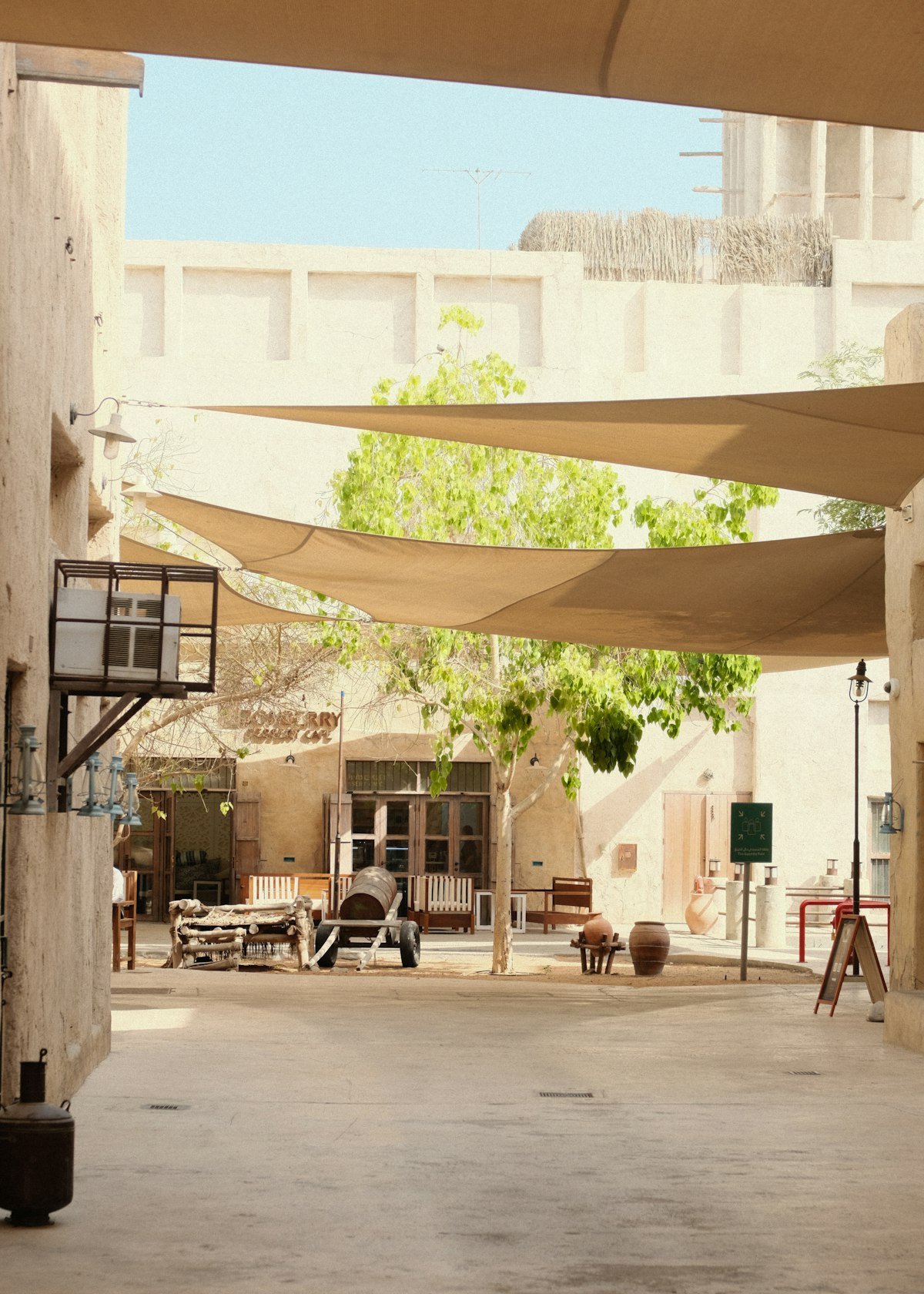
Full checklist and plan tips below.
Next storyBrick vs Concrete Block: Cost, Comfort and Durability for…Tap the sides or swipe to move · hold to pause · tap the half-circle icon to change the look
Walk into an old courtyard house in Riyadh, Lahore or Marrakech on a summer afternoon and it often feels calmer and cooler than the street. That experience has made the courtyard a symbol of climate-smart design. But modern research adds an important twist: a courtyard is a tool, not a guarantee. Get the shade, glass and insulation wrong and a courtyard can add heat instead of removing it.
This guide focuses on climate performance in hot regions. If you are still choosing between a central courtyard, a side garden or a small lightwell, start with our courtyard house design ideas.
Quick answer
A courtyard house stays cool in a hot climate when the courtyard is shaded (deep and narrow, with trees, pergolas or overhangs), when rooms open mainly onto the courtyard rather than the sunny street, when windows on east and west walls are small, and when walls and roof are well insulated. In dry climates, opening the house at night and closing it during the day adds to the effect. Research on villas in Riyadh and other hot cities found that window-to-wall ratio and insulation influence comfort and energy far more than the courtyard’s exact size.
How a courtyard cools a house
- Shade and stored coolness. High walls around a small courtyard shade its floor for much of the day. Cool night air settles into it and the surrounding walls release heat slowly.
- Inward-facing rooms. Rooms get daylight and air from the shaded courtyard instead of large windows on hot outside walls.
- Air movement. As the courtyard warms during the day, air rises out of it and draws air through rooms; at night the effect can reverse and pull cool air in.
- A greener microclimate. Planting, shade trees and water lower surface temperatures compared with hard paving in full sun.
Field work in Riyadh has tested this directly: a well-known experiment by Al-Hemiddi and Al-Saud measured the effect of a ventilated interior courtyard on the thermal performance of a house in a hot, arid region. The lesson from that line of research is that when you open the courtyard to the house matters as much as having one.
What the latest research says
A 2025 study in Scientific Reports simulated villas with courtyards across five hot and warm cities, including Riyadh and Gizan. Its headline result is useful for anyone planning a house: courtyard dimensions explained less than 3% of the differences in energy use and comfort, while window-to-wall ratio and insulation explained more than 40%.
Research on U-shaped courtyards in the Qassim region of Saudi Arabia reached a related conclusion: cooling demand varied by zone depending on the courtyard’s shape and orientation, so rooms should be placed with the courtyard’s sun pattern in mind.
Design rules for a cool courtyard
| Decision | Hot-dry climate (Riyadh, Lahore summer) | Hot-humid climate (Jeddah, Karachi, Dubai coast) |
|---|---|---|
| Courtyard proportion | Deeper and narrower for more self-shading | Wider, so breezes can reach it and moisture can escape |
| Shade | Pergolas, overhangs, trees, shade sails | Shade plus good air movement; avoid enclosed, still corners |
| Windows onto the street | Small, especially east and west | Shaded, with cross ventilation paths |
| Windows onto the courtyard | Larger, shaded by verandah or overhang | Larger, with insect screens and shading |
| Night ventilation | Very effective: open at night, close by mid-morning | Limited: humid night air can cause damp; rely more on fans and AC |
| Water feature | Small fountain or pool helps evaporative cooling | Little cooling benefit; adds humidity |
| Surfaces | Light, shaded paving; planting beds | Planting, permeable paving, good drainage |
Planning the rooms around the courtyard
- Put the rooms you use most in the afternoon (family lounge, dining) on the side of the courtyard that is shaded at that time.
- Place stairs, stores, garages and washrooms on the hottest outer walls, usually west, as a buffer.
- Use a verandah or deep overhang along the courtyard edge, so you can open doors without letting the sun straight in.
- Avoid wrapping the whole courtyard in glass. A fully glazed courtyard edge behaves more like a greenhouse.
- Plan drainage for the occasional heavy storm, plus easy access for cleaning and tree care.
Our FitOnear Original Home 01 concept puts the family lounge, dining and kitchen around a planted courtyard, with service rooms on the outer edge. Read its project file for the room schedule and climate notes. If you are building in brick, our warm brick exterior guide covers facade choices.
TRY IT ON YOUR OWN PLOT
Add a courtyard in the Home Planner and see the to-scale site plan and plot coverage.
Courtyard shade and cooling buys
As an Amazon Associate, FitOnear earns from qualifying purchases. Links open Amazon search results; check sizes and ratings against your own plan before buying.
Frequently asked questions
Do courtyard houses stay cooler?
They can, in hot and dry climates, when the courtyard is shaded and the rooms open onto it instead of hot outside walls. A sunny, paved courtyard with lots of glass around it can do the opposite, so shade and insulation matter more than the courtyard itself.
What is the best courtyard size for a hot climate?
There is no single best size. Deeper, narrower courtyards self-shade better in dry climates, while humid climates need wider courtyards for breezes. A 2025 study found courtyard size explained less than 3% of comfort and energy differences, so prioritise shade, windows and insulation.
Which direction should a courtyard face?
Plan so the rooms you use in the afternoon look onto the part of the courtyard that is shaded then, and put service rooms on the hot west side. Orientation affects cooling demand zone by zone, so ask your designer for a simple sun study.
Is a courtyard house good for humid climates?
It can be, but the design changes. Humid climates need wider courtyards with good air movement and drainage; night ventilation and water features help less because the air is already moist.
Sources
- Scientific Reports (2025): Courtyard design, energy and comfort in villas across five hot climates (courtyard size vs window ratio and insulation)
- Almahmoud et al. (2024): Cooling load reduction in U-shaped courtyard houses, Qassim
- Al-Hemiddi and Al-Saud (2001): Effect of a ventilated interior courtyard in a hot-arid region (Renewable Energy)
- U.S. Department of Energy: Natural ventilation (night ventilation, dry vs humid climates)
Sources checked November 2026. Figures are planning guidance, not building regulations; your local authority and a licensed professional have the final word. See our editorial policy.
Get the Pinterest pin & social images
Ready-made graphics for this article: Pinterest 1000 × 1500; Facebook/X 1200 × 630. Download an image and add your own caption, or use the share buttons to open a composer.