Quick story · 6 cards · about 1 min
Turn the house, not the AC
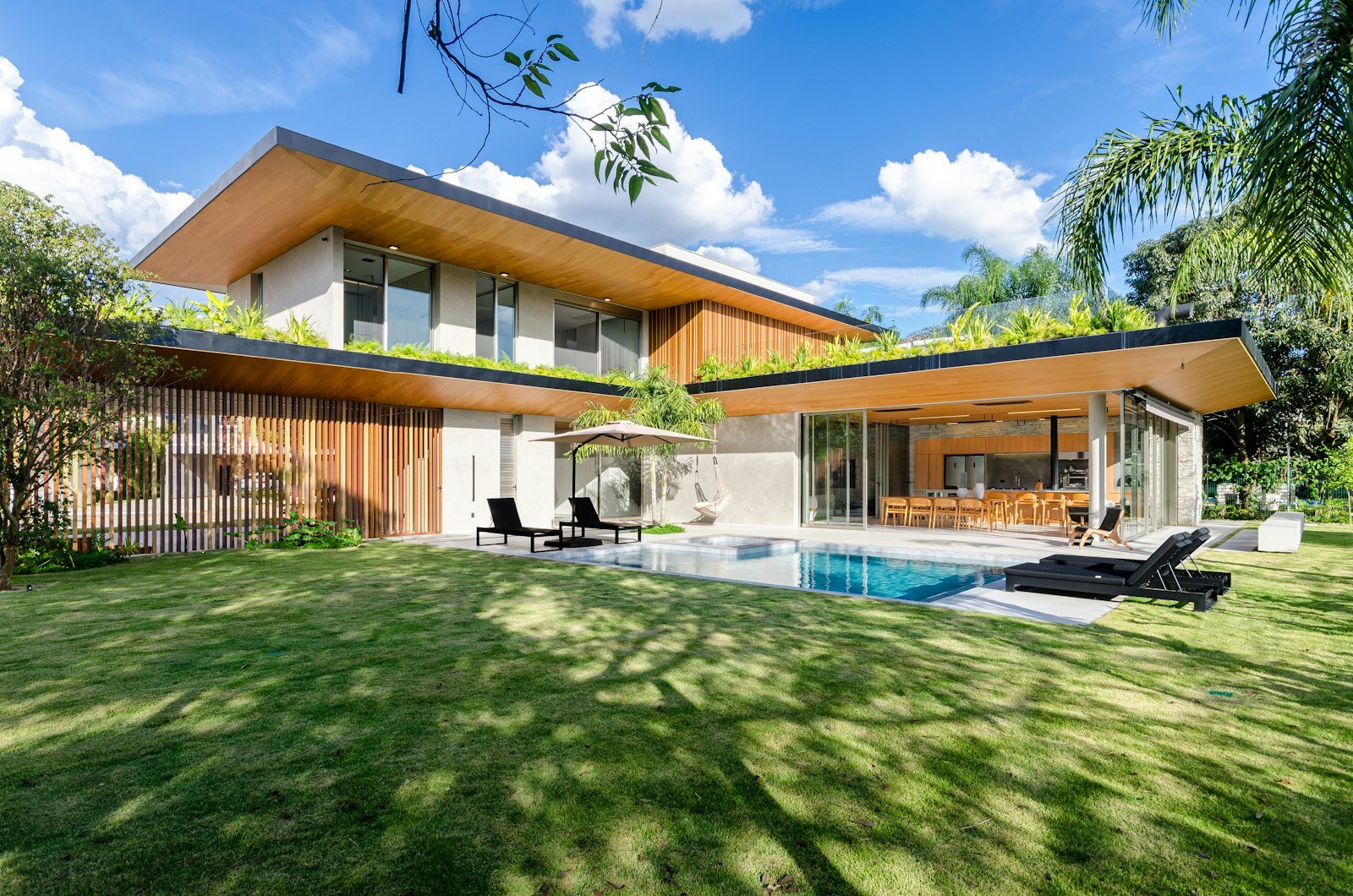
Orientation is the cheapest cooling you will ever buy.
Long walls face north and south
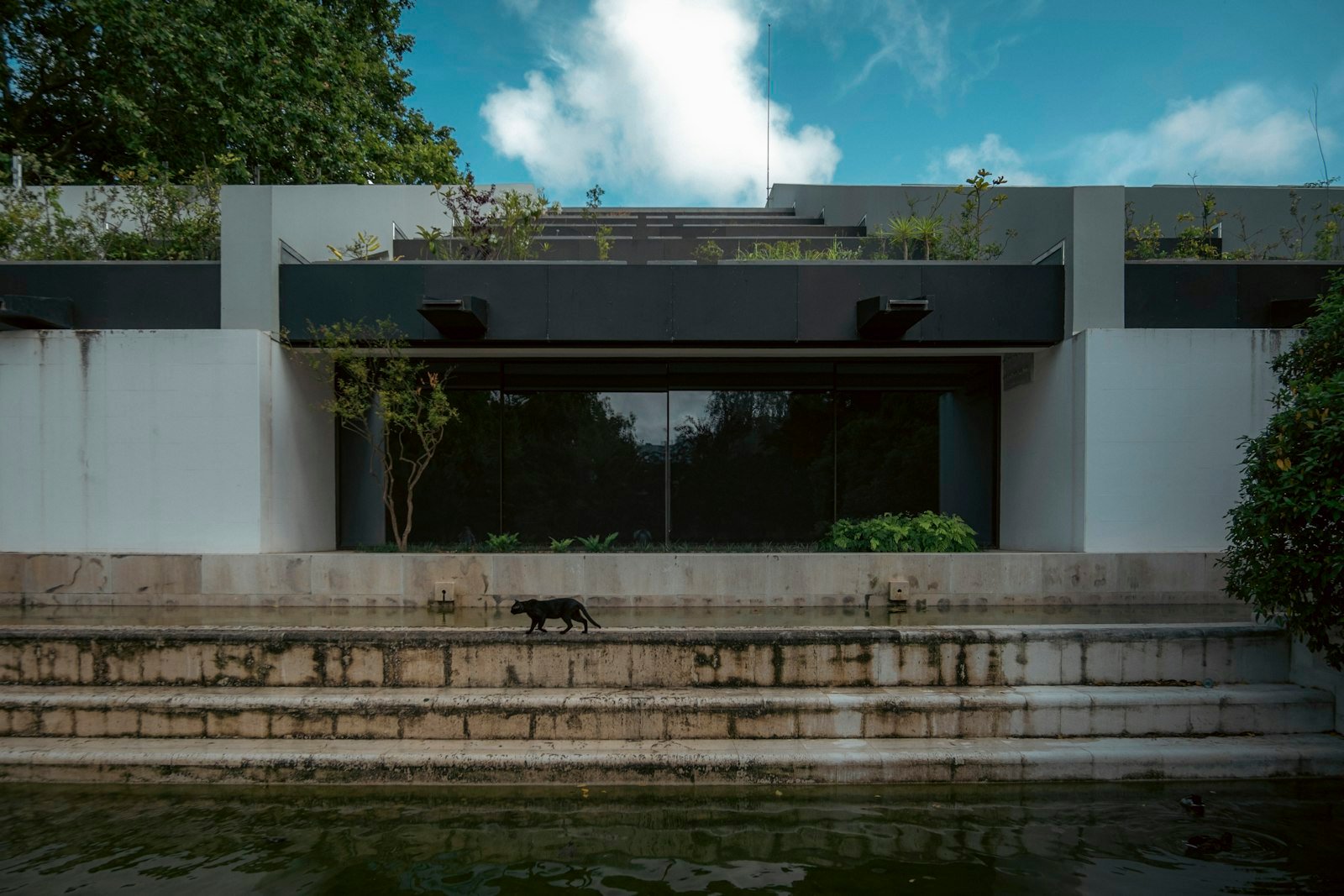
High sun on these walls is easy to shade with eaves.
West gets the worst sun
Put garages, stores and stairs there, not bedrooms.
Size the shade to the window
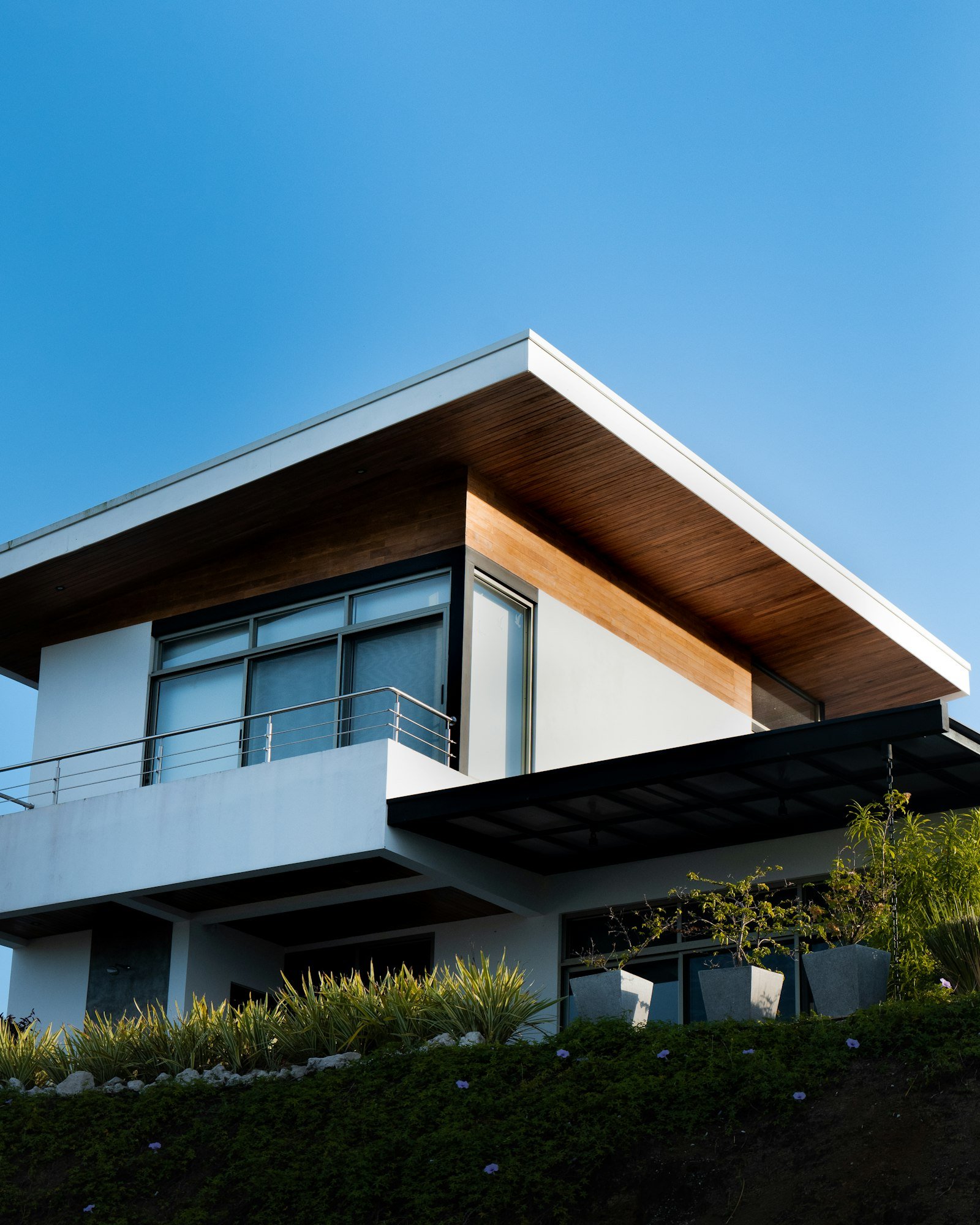
Hotter climates sit at the top of the range.
Catch the breeze
Openings on two sides let air cross the room.
Shade first, glass second
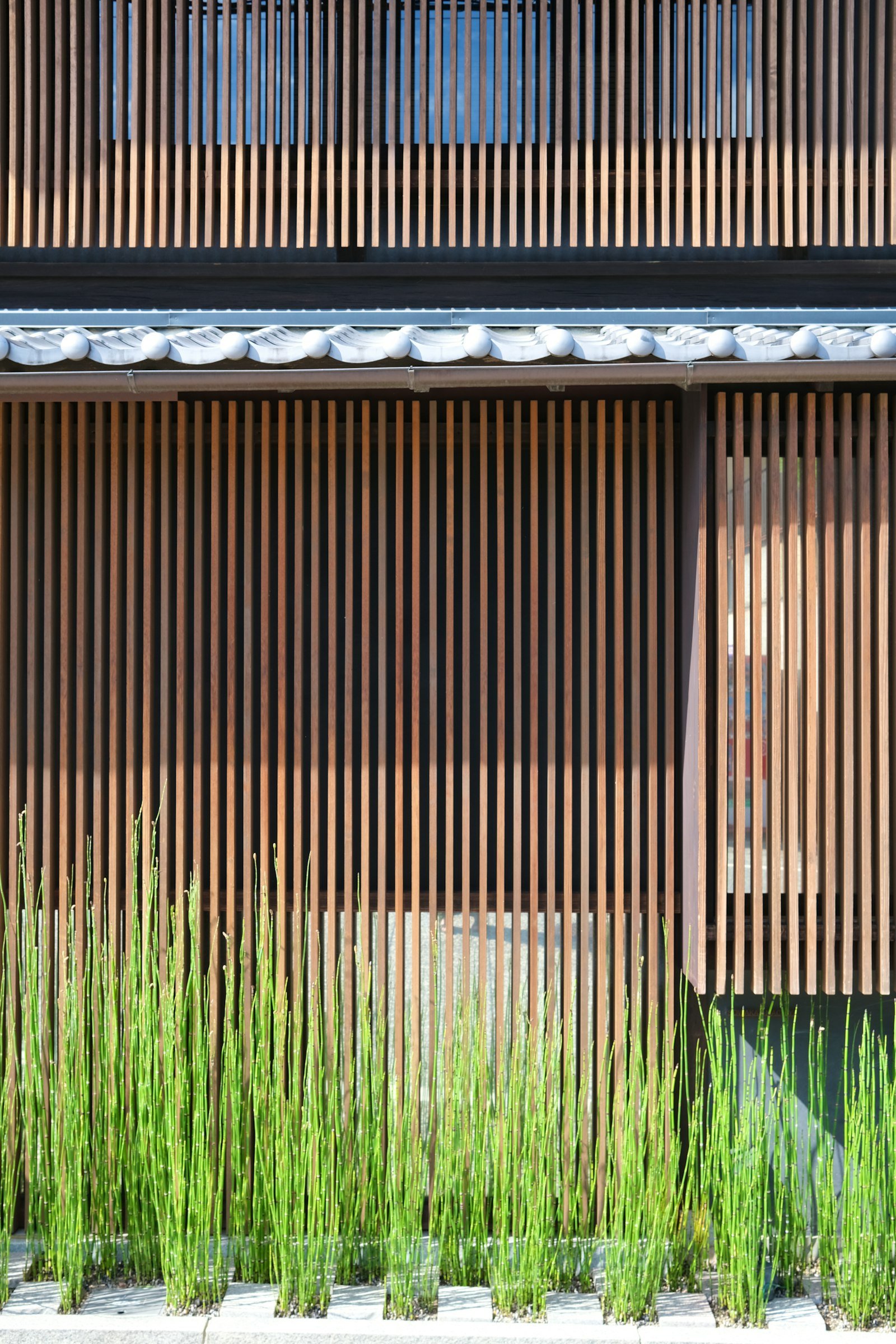
Get the plan right before you pick the air conditioner.
Next storyCourtyard House Design for Hot Climates: What Actually Keeps…Tap the sides or swipe to move · hold to pause · tap the half-circle icon to change the look
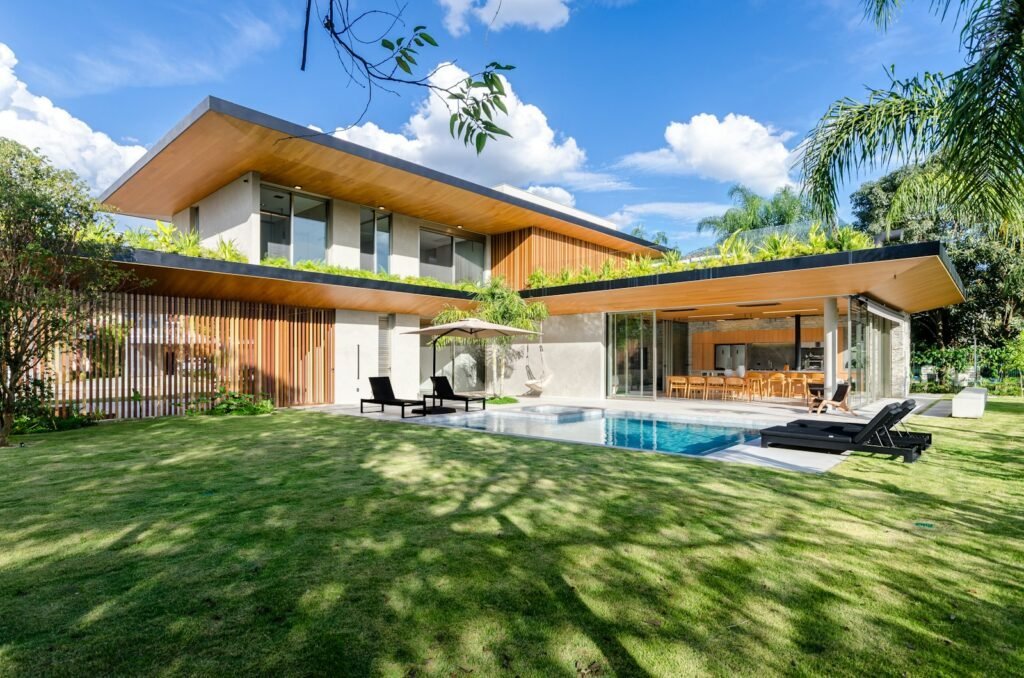
In a hot climate, the direction your house faces decides how hard it has to work to stay cool. Two houses with the same rooms and the same budget can feel completely different in August: one with deep shade on the right walls and breezes crossing the bedrooms, the other baking behind a wall of west-facing glass. The good news is that orientation costs almost nothing when it is decided at the start. Here is how to get it right, side by side and step by step.
Quick answer
In the northern hemisphere, run the house long east–west so its longest walls face north and south; within about 30° of due south still works. Keep east and especially west windows small and screened, and put garages, stores, laundry and stairs on the west as a heat buffer. Shade south glass with eaves about 45–50% of the height from the windowsill to the underside of the eave, and place openable windows on two sides of each room to catch the prevailing breeze. In the southern hemisphere, swap north and south.
Which way should a house face in a hot climate?
Think of the four sides as four different climates. Each one needs a different amount of glass and a different kind of shade.
| Side (northern hemisphere) | What the sun does | Windows | Best shade | Rooms that suit it |
|---|---|---|---|---|
| North | Little direct sun; soft, even light | Generous | Short fins for early and late summer sun | Living room, study, kitchen |
| South | High in summer, low in winter | Moderate, always shaded | Horizontal eaves, pergolas, louvres | Family living, bedrooms |
| East | Low morning sun, hard to block | Small | Vertical screens, shutters, trees | Breakfast area, bedrooms in milder regions |
| West | Low afternoon sun at the hottest time of day | Fewest; avoid if you can | Solid wall, external blinds, dense planting | Garage, stores, laundry, stairs, bathrooms |
Why the long walls should face north and south
The sun rises in the east, climbs high across the southern sky in summer (in the northern hemisphere) and sets in the west. On a south wall the summer sun is high, so a simple roof overhang keeps it off the glass. On east and west walls the sun is low, coming almost straight in under any overhang, and that is the heat that is hardest to stop.
That is why designers stretch a house along an east–west axis and keep the short ends to the east and west. You do not need a compass-perfect plot: the US Department of Energy’s guidance is that sun-collecting windows should face within 30 degrees of true south. Use true south, not magnetic south; a free sun-path app or your site survey will show the difference.
A narrow, elongated or broken-up plan also helps air move. Australia’s YourHome guide recommends long walls that face the cooling breezes and, in hot humid areas, a pavilion layout that splits the home into parts so air can flow right through. A shaded courtyard house does the same job on a tighter plot.
Keep the west for rooms you do not live in
West sun arrives in the late afternoon, when the air is already at its hottest, and it is low enough to slip under eaves. YourHome advises minimising east- and west-facing openings and avoiding west-facing walls and windows where possible. The most effective trick is zoning: let rooms that tolerate heat shield the rooms you live in.
- Put on the west: garage or carport, stores, laundry, the stair core, bathrooms and the service yard.
- Keep off the west: bedrooms (they hold the heat into the night), the family room and large glazed doors.
- Add a second layer: dense planting, a vine-covered screen or a solid boundary wall a few metres out shades the wall itself, not just the window.
- If a west window is unavoidable: keep it narrow and use vertical fins, external shutters or exterior blinds. Inside curtains help glare, but the heat is already in the room.
How deep should eaves be?
For the sunny side (south in the northern hemisphere), YourHome gives a simple rule: make the eave width about 45% of the height from the bottom of the windowsill to the underside of the eave. That shades the glass fully around midsummer while letting low winter sun in. In hot climates it suggests going up to 50%, rounding up to the next standard size, and extending the shade past each side of the window by the same distance it projects.
| Sill-to-eave height | Overhang that meets the 45% rule | Hot-climate note |
|---|---|---|
| 900–1,200 mm | 450 mm | Round up to the next size, aim for ~50% of the height, and keep the top of the glass at least 30% of the window height below the eave. |
| 1,200–1,350 mm | 600 mm | |
| 1,350–2,100 mm | 900 mm | |
| 2,100–2,700 mm | 1,200 mm |
Horizontal eaves do little on east and west walls. There, YourHome recommends vertical shading such as fixed or adjustable louvres, blades or screens, and in hot climates both east and west need it. Adjustable systems (sliding screens, shutters, retractable awnings, external blinds) give you control in spring and autumn, as long as someone remembers to use them.
Place windows to catch the breeze
Shade keeps heat out; air movement carries it away. Find out where your cooling breezes come from before you fix the plan, because a hill, a neighbour’s wall or a line of trees can shift them. Check your national weather service’s wind data and then stand on the site on a hot afternoon and evening, or ask the neighbours.
- Openings on two sides of each room. A window facing the breeze and another on a different wall lets air cross the room instead of stalling.
- Fully openable windows. Casement and louvre windows open far more of their area than sliders.
- Let hot air out high up. Clerestory windows or a vented stairwell let warm air escape at night.
- Use walls and planting to steer air. Fences, outbuildings and hedges can funnel a breeze toward the windows you want.
In very hot, dry places with dusty, scorching daytime winds, open up in the evening and night instead, and keep the house closed and shaded through the afternoon.
What if your plot faces the wrong way?
Many town plots are narrow, with the street on the west or east. You can still get most of the benefit:
- Turn the rooms, not the house. Open main rooms onto a side courtyard or light well that faces north or south, and keep the street wall mostly solid.
- Make the west facade a buffer. Garage, stairs and stores along the street side, with small, deeply recessed windows.
- Shade the whole wall. A double facade, a screen of jali or timber blades, or a deep veranda keeps sun off the masonry itself.
- Lean on the envelope. YourHome notes that poor sites can still perform well with well-designed glazing and shading, a well-sealed home and hybrid cooling. Insulate the roof and the sunny walls properly; see our brick vs concrete block guide for why heavy walls still need insulation.
Near the equator and in the tropics
Between the tropics the midday sun is almost overhead, and for part of the year it sits to the north (in the northern hemisphere). The rules shift: shade every wall and opening, rely on wide eaves all round, and treat the roof as the biggest heat collector. YourHome suggests, for hot humid areas, shading walls year-round and even shading the whole roof with a separate “fly roof”. Orientation then matters mostly for breezes and for keeping long walls out of the low east and west sun.
Orientation checklist for your architect meeting
- Mark true north on the plot plan, plus the road, neighbours’ buildings and big trees.
- Note where cooling breezes come from in summer, day and night.
- Ask for the long axis east–west (or within about 30° of it).
- Agree which rooms go on the west as a buffer.
- Ask for eave depths sized to each window, and vertical shading on east and west glass.
- Check every bedroom has openings on two sides or a route for air to leave.
- Ask what roof insulation and roof colour are proposed: the roof takes the most sun of all.
Then test the plan with real life: our five everyday journeys check makes sure a cool layout is also an easy one, and the house layout types guide shows which plan shapes stretch most naturally along an east–west axis.
Shade upgrades for an existing house
As an Amazon Associate, FitOnear earns from qualifying purchases. Links open Amazon search results; measure your openings and check local rules for external fittings before buying.
- Search Amazon for Exterior solar shade screens for west and east windows
- Search Amazon for Heat-control window film where external shade is not allowed
- Search Amazon for Outdoor roller shades for verandas and pergolas
SEE IT ON YOUR OWN PLOT
Enter your plot, rooms and courtyard in the free Home Planner to get a room schedule, plot coverage and a to-scale site plan you can turn to face the sun.
Frequently asked questions
What is the best orientation for a house in a hot climate?
In the northern hemisphere, run the house long east–west so the longest walls face north and south, within about 30° of due south. Keep east and west windows small and shaded, and put service rooms on the west. In the southern hemisphere, swap north and south.
Is a west-facing house bad in a hot climate?
A west-facing main facade takes the strongest late-afternoon sun, which is hard to shade. It can work if the west side holds the garage, stairs and stores, windows are small and screened, and main rooms open to a north- or south-facing courtyard.
How deep should roof eaves be in a hot climate?
For the sunny side, a common rule is an eave about 45% of the height from the windowsill to the underside of the eave, rising to about 50% in hot climates. For a 2.1 m sill-to-eave height that means roughly 0.9–1.05 m, extended past each side of the window.
Which rooms should face west?
Rooms you use briefly or that tolerate heat: garage, stores, laundry, stairs and bathrooms. Avoid putting bedrooms and the main family room on the west, because walls heated in the afternoon keep releasing warmth into the night.
Does orientation still matter near the equator?
Yes, but differently. Near the equator the sun is nearly overhead and can sit to the north for part of the year, so every wall and the roof need shade. Orientation then mainly helps you catch breezes and keep long walls out of low east and west sun.
Sources and standards
- Australian Government YourHome: Orientation (hot-climate orientation, breezes, windows to minimise)
- Australian Government YourHome: Shading (eave sizing rule, east/west shading, hot humid and hot dry notes)
- US Department of Energy: Passive solar home design (windows within 30° of true south, shading in warmer climates)
Sources checked November 2026. YourHome is written for Australia, so its “north” is the sunny side; we have translated it for the northern hemisphere. Sun angles depend on your latitude: ask your architect to check shading with a sun-path study for your exact site. Read how we plan and check our guides.
Get the Pinterest pin & social images
Ready-made graphics for this article: Pinterest 1000 × 1500; Facebook/X 1200 × 630. Download an image and add your own caption, or use the share buttons to open a composer.