Quick story · 6 cards · about 1 min
Where does the money go?
A stage-by-stage breakdown of what it costs to build a house, from survey data.
Interior finishes
Kitchens, flooring, drywall, paint and fixtures cost more than the frame.
Pipes, wires, air
The parts you never see are the second biggest bill.
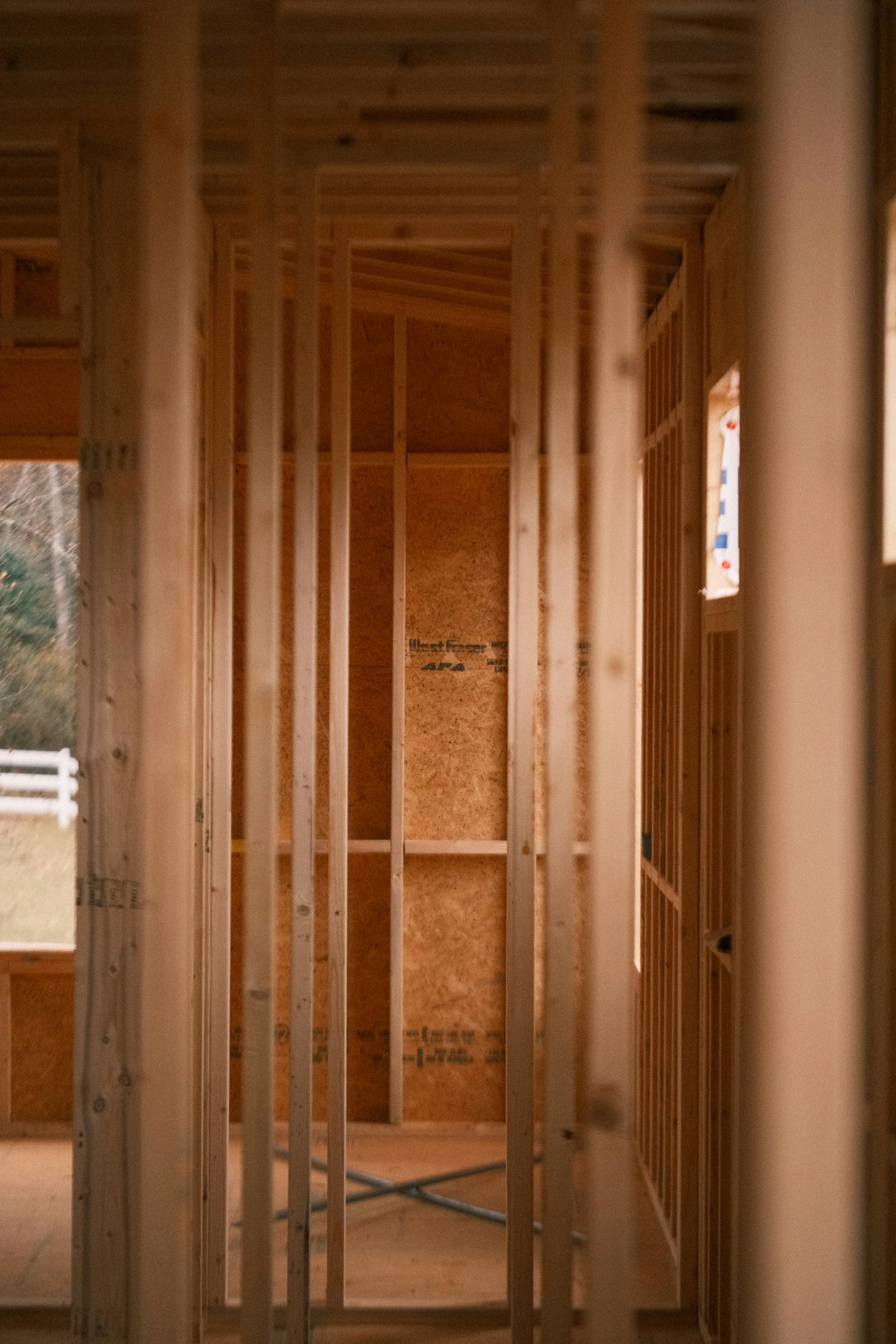
Frame + foundations
Simple, compact shapes keep this down.
Build ≠ buy
The lot, financing, overhead and profit make up the rest.
Budget by stage
Use the shares to split your own budget, then add a contingency. Worked example below.
Next storyHouse Plan With a Guest Drawing Room: How to…Tap the sides or swipe to move · hold to pause · tap the half-circle icon to change the look
“How much does it cost to build a house?” has no single answer: land, labour and materials vary hugely by country and city. What doesn’t vary much is where the money goes. This guide breaks a typical build into its eight stages, using the most detailed published survey, the US National Association of Home Builders’ (NAHB) Cost of Constructing a Home. You can use the shares to plan a budget anywhere.
Quick answer
In NAHB’s 2024 survey, building an average new US single-family home cost $428,215, which was 64.4% of its $665,298 sale price. That works out to about $162 per sq ft (about $1,740 per m²) for an average 2,647 sq ft home. By stage, interior finishes took the largest share at 24.1%, followed by major systems (plumbing, electrical, HVAC) at 19.2%, framing at 16.6%, exterior finishes at 13.4% and foundations at 10.5%. Local prices differ, but the shares are a useful starting point for any budget.
The cost of building a house, stage by stage
| Stage | Share of construction cost | Average cost (US, 2024) | What it covers |
|---|---|---|---|
| Site work | 7.6% | $32,719 | Permits, inspections, design, water and sewer connections |
| Foundations | 10.5% | $44,748 | Excavation, concrete, retaining walls, backfill |
| Framing | 16.6% | $70,982 | Structural frame, roof trusses, sheathing |
| Exterior finishes | 13.4% | $57,510 | Walls, roofing, windows and doors |
| Major systems rough-ins | 19.2% | $82,319 | Plumbing, electrical and HVAC (heating, ventilation, cooling) |
| Interior finishes | 24.1% | $103,391 | Drywall, insulation, flooring, cabinets, paint, appliances, fixtures |
| Final steps | 6.5% | $27,710 | Landscaping, driveway, decks, clean-up |
| Other | 2.1% | $8,835 | Items that don’t fit the stages above |
| Total construction | 100% | $428,215 | Average finished area 2,647 sq ft (246 m²) |
What else is in the price of a new house?
Construction is only part of what a buyer pays for a new home. In the same survey, the finished lot was the second-largest cost at 13.7% of the sale price, financing was 1.5% and the builder’s average profit was 11.0%. The remaining 9% or so covers overhead, marketing and sales commissions. If you build yourself, you avoid some of these costs but take on the risk and the management instead.
Costs people forget to budget for
- Design and engineering fees: architect, structural engineer and surveys, before anything is built.
- Permits and connection charges: building permits, inspections and connecting water, sewer and power.
- Landscaping and boundary walls: often left until the money has run out.
- Furniture, curtains and appliances you’ll want on the day you move in.
- A contingency fund. FitOnear recommends keeping 10–15% of the construction budget aside for surprises. That’s our planning rule of thumb, not survey data.
Worked example: split your own budget
Use the shares to sanity-check a quote or set targets for each trade. Here’s a construction budget of 1,000,000 in any currency, split using NAHB’s average shares:
| Stage | Share | Of a 1,000,000 budget |
|---|---|---|
| Site work | 7.6% | 76,000 |
| Foundations | 10.5% | 105,000 |
| Framing | 16.6% | 166,000 |
| Exterior finishes | 13.4% | 134,000 |
| Major systems | 19.2% | 192,000 |
| Interior finishes | 24.1% | 241,000 |
| Final steps | 6.5% | 65,000 |
| Other | 2.1% | 21,000 |
| Total | 100% | 1,000,000 |
Six ways to keep building costs down
- Keep the shape simple. Compact plans have less wall and roof for the same floor area. See our house layout types guide.
- Right-size every room. Comfortable sizes, not oversized ones. Use our standard room sizes.
- Stack and group wet rooms. Kitchens, bathrooms and laundry next to or above each other shorten pipe runs.
- Fix the design before you start. Changes during construction are the most expensive changes of all.
- Spend on the envelope, save on finishes. Insulation, windows and roofing are hard to upgrade later; tiles and taps are easy.
- Get like-for-like quotes. Ask every builder to price the same stages so you can compare them line by line.
ESTIMATE YOUR HOME’S SIZE FIRST
Floor area drives cost more than anything else. The free Home Planner works out your rooms, corridors and walls for your plot, so you can multiply by a local cost per square metre.
Frequently asked questions
How much does it cost to build a house?
In NAHB's 2024 survey, the average construction cost of a new US single-family home was $428,215, or about $162 per square foot for an average 2,647 sq ft home. Costs vary widely by country, city, materials and finish level, so get local quotes.
What is the most expensive part of building a house?
Interior finishes are the largest single stage at 24.1% of construction cost in NAHB's 2024 survey, followed by major systems such as plumbing, electrical and HVAC at 19.2%, and framing at 16.6%.
What percentage of a new home's price is construction?
In NAHB's 2024 survey, construction costs made up 64.4% of the average new home's sale price. The finished lot was 13.7%, financing 1.5% and builder profit 11.0%.
How much contingency should I add to a building budget?
FitOnear recommends keeping 10–15% of the construction budget as a contingency for surprises such as ground conditions, price rises and design changes. This is a planning rule of thumb, not a regulation.
How can I reduce the cost of building a house?
Keep the shape compact, avoid oversized rooms, group kitchens and bathrooms to shorten pipe runs, finalise the design before construction starts, and compare like-for-like itemised quotes.
Sources and standards
- NAHB: Cost of Constructing a Home 2024 (full report, PDF) (sale price and construction cost breakdowns)
- NAHB Eye on Housing: Cost of constructing a home in 2024
- Pennsylvania Association of Realtors: How much did home construction cost in 2024? (stage-by-stage dollar figures)
- Virginia Tech Extension: House shape and energy efficiency (compact shapes use less material)
Sources checked November 2026. US survey data from fall 2024; prices change and differ by location. The contingency range and cost-saving tips are FitOnear planning guidance. Read how we plan and check our guides.
Get the Pinterest pin & social images
Ready-made graphics for this article: Pinterest 1000 × 1500; Facebook/X 1200 × 630. Download an image and add your own caption, or use the share buttons to open a composer.