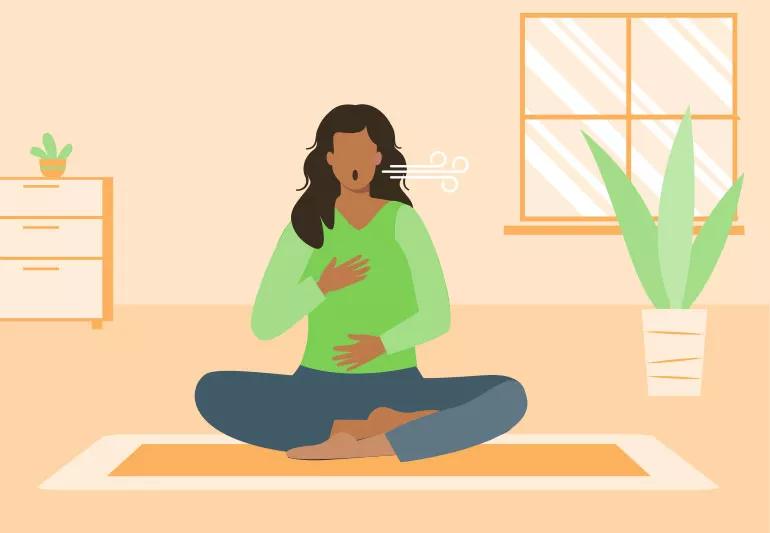

In the world of biohacking, we’re constantly chasing the latest wearable, supplement, or gadget to optimize our biology. But what if the most powerful tool for transforming your physical and mental state isn’t in a bottle or a box, but inside you right now? What if you could learn to control your stress, boost your energy, and enhance your focus just by changing the way you breathe?
Welcome to the world of breathwork. It’s one of the most foundational, yet often overlooked, biohacks available. The conscious control of your breath is a direct lever to influence your autonomic nervous system, allowing you to shift from a state of high-alert stress to one of calm, focused clarity in minutes.
While FitOnear has touched on the importance of breathing, we’ve heard your requests for a deep dive into specific, actionable protocols. This guide is our answer. We’re moving beyond the simple advice to “take a deep breath” and giving you a practical toolkit of four powerful breathwork techniques, each tailored for a specific biohacking goal:
- The Wim Hof Method: To supercharge your energy and build resilience.
- Box Breathing: To sharpen your focus and maintain calm under pressure.
- 4-7-8 Breathing: To rapidly de-stress and prepare for deep sleep.
- The Buteyko Method: To improve sleep quality and enhance CO2 tolerance for athletic performance.
Get ready to unlock a new level of control over your physiology. Let’s breathe.
The Science: How Breathwork Hacks Your Nervous System
Before we dive into the protocols, it’s important to understand why breathwork is so effective. It’s not magic; it’s physiology. Conscious breathing allows you to tap into and regulate your autonomic nervous system (ANS), which controls all the involuntary processes in your body, like heart rate, digestion, and blood pressure [1].
The ANS has two main branches:
- Sympathetic Nervous System (SNS): The “fight-or-flight” response. It gets you ready for action, releasing adrenaline and cortisol, increasing your heart rate, and heightening your senses. Chronic stress keeps this system in overdrive.
- Parasympathetic Nervous System (PNS): The “rest-and-digest” response. It calms your body, lowers your heart rate, and promotes recovery and relaxation. This is where the magic happens.
Breathwork, particularly techniques that emphasize slow, controlled exhalations, stimulates the vagus nerve. This is the main highway of your parasympathetic nervous system. By activating it, you can manually switch your body out of a stressed state and into a calm, restorative one [2].
Furthermore, different breathing patterns alter the balance of oxygen (O2) and carbon dioxide (CO2) in your blood, which has profound effects on everything from your energy levels to your athletic endurance. By training your breath, you are literally training your body at a cellular level.
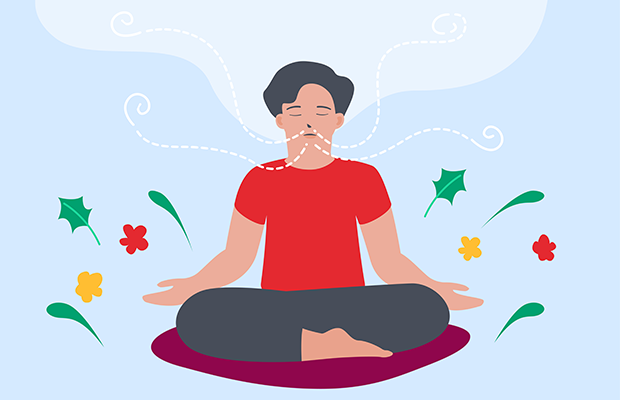
Protocol 1: The Wim Hof Method for Energy & Resilience
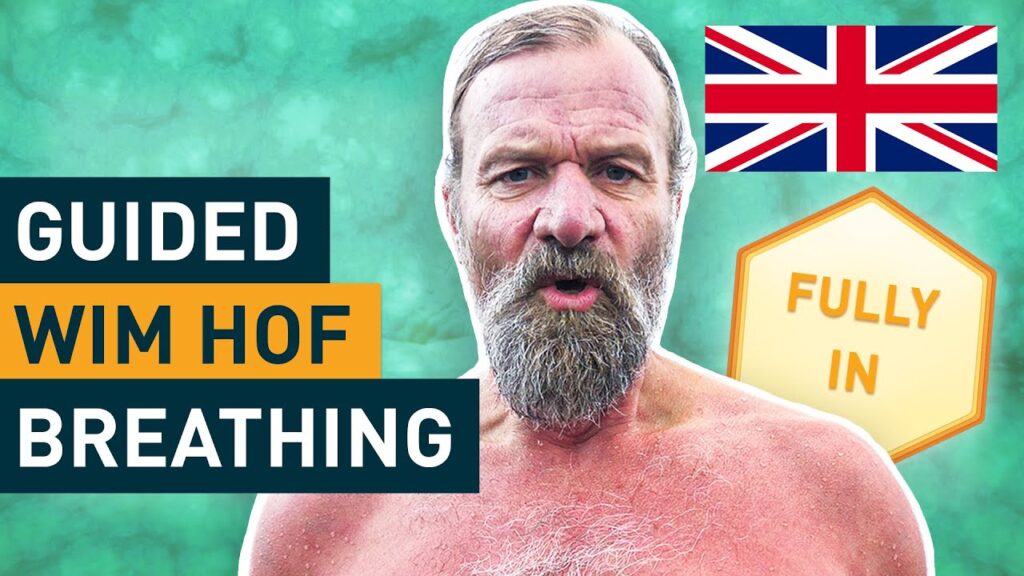
Made famous by the Dutch Iceman,” Wim Hof, this method combines powerful breathing exercises with cold exposure to build incredible resilience to physical and mental stress. The breathing protocol is designed to be an intense, energizing experience.
Best For: Morning energy boost, pre-workout activation, building mental and physical resilience.
The Science Behind It
The Wim Hof Method (WHM) involves rounds of controlled hyperventilation followed by breath-holds. This process intentionally creates a hormetic stress response in the body. The rapid breathing blows off a significant amount of carbon dioxide (hypocapnia), while the breath-hold induces a state of low oxygen (hypoxia) [3]. This cycle has been shown to:
- Boost Adrenaline: The breath-holds trigger a significant adrenaline release, leading to increased energy and focus [4].
- Reduce Inflammation: Studies have shown that practitioners can consciously influence their immune system, leading to a powerful anti-inflammatory effect [5].
- Improve Mood: The release of endorphins during the practice can lead to feelings of euphoria and well-being.
Step-by-Step Wim Hof Protocol
Important Safety Note: Never practice this method in or near water, or while driving. The intense nature of the breathing can lead to lightheadedness or fainting in rare cases. Always practice in a safe, comfortable seated or lying position.
- Get Comfortable: Sit or lie down in a comfortable position. Make sure your body is relaxed.
- 30-40 Power Breaths: Inhale deeply through the nose or mouth, drawing the breath into your belly, then your chest. Exhale through the mouth in a short, powerful burst, but without force. Repeat this for 30 to 40 breaths in a steady rhythm.
- The Retention: After the final exhalation, hold your breath for as long as you comfortably can. Do not force it. Notice the feeling of stillness.
- Recovery Breath: When you feel the urge to breathe, take one deep, full inhalation. Hold this breath for 15-20 seconds.
- Release: Exhale and relax. This completes one round.
Recommendation: Complete 3 to 4 rounds for the full effect.
Protocol 2: Box Breathing for Focus & Calm Under Pressure
If you need to stay calm, focused, and in control during a high-stress situation, Box Breathing is your go-to tool. This technique is famously used by Navy SEALs, first responders, and elite athletes to regulate their nervous system and maintain peak performance under pressure [6].
Best For: Pre-meeting focus, managing acute stress, improving concentration during demanding tasks.
The Science Behind It
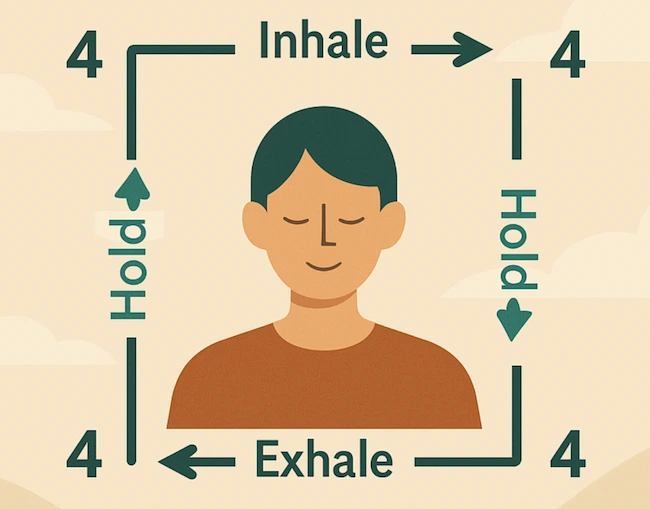
Box Breathing, also known as the 4-4-4-4 method, works by creating a state of balance in the autonomic nervous system. The symmetrical nature of the inhale, hold, exhale, and hold provides a predictable rhythm that calms the mind and body. It has been shown to:
- Lower Cortisol: Studies indicate that controlled breathing can lower levels of the stress hormone cortisol [7].
- Increase Mental Clarity: By balancing oxygen and carbon dioxide levels, it can enhance focus and cognitive performance [8].
- Regulate Heart Rate: The steady pace helps to slow and regulate your heart rate, signaling to your brain that you are safe and in control.
Step-by-Step Box Breathing Protocol
- Find a Quiet Space: Sit upright in a comfortable chair with your feet flat on the floor.
- Exhale Completely: Gently breathe out all the air from your lungs.
- Inhale for 4: Inhale slowly and deeply through your nose for a count of four.
- Hold for 4: Hold your breath for a count of four.
- Exhale for 4: Exhale slowly through your mouth for a count of four.
- Hold for 4: Hold your breath with your lungs empty for a count of four.
- Repeat: Continue this cycle for 2-5 minutes, or until you feel calm and focused.
Protocol 3: 4-7-8 Breathing for Stress Reduction & Sleep
Developed by Dr. Andrew Weil, the 4-7-8 breathing technique is a powerful natural tranquilizer for the nervous system. It is specifically designed to reduce anxiety and help you fall asleep faster. The extended exhale is the key to its deeply relaxing effects.
Best For: Pre-sleep routine, managing anxiety attacks, calming down after a stressful event.
The Science Behind It
This technique is based on ancient yogic pranayama and is designed to powerfully activate the parasympathetic nervous system. The extended 8-second exhale is particularly effective at stimulating the vagus nerve [9]. This practice has been shown to:
- Reduce Anxiety: The focused nature of the breath and the long exhale can quickly calm an anxious mind.
- Lower Heart Rate and Blood Pressure: By activating the relaxation response, it can have a direct impact on cardiovascular markers [10].
- Prepare the Body for Sleep: It helps to quiet the mind and relax the body, making it an ideal practice before bed.
Step-by-Step 4-7-8 Protocol
- Get Comfortable: Sit or lie down in a comfortable position.
- Exhale Completely: Exhale completely through your mouth, making a gentle “whoosh” sound.
- Inhale for 4: Close your mouth and inhale quietly through your nose for a count of four.
- Hold for 7: Hold your breath for a count of seven.
- Exhale for 8: Exhale completely through your mouth, making the “whoosh” sound, for a count of eight.
- Repeat: This completes one breath. Repeat the cycle for a total of 4 breaths.
Recommendation: Practice this twice a day. It becomes more powerful with regular practice.
Protocol 4: The Buteyko Method for Sleep Quality & CO2 Tolerance
The Buteyko Method, developed by Ukrainian doctor Konstantin Buteyko, is based on a counterintuitive principle: many health problems, including poor sleep and asthma, are caused by chronic over-breathing (hyperventilation). This method teaches you to breathe less, not more, with a strict focus on nasal breathing.
Best For: Improving sleep apnea and snoring, increasing CO2 tolerance for athletic performance, managing asthma.
The Science Behind It
The Buteyko Method aims to increase your body’s tolerance to carbon dioxide (CO2). While we often think of CO2 as just a waste product, it plays a crucial role in oxygen delivery. The Bohr effect states that hemoglobin (the protein that carries oxygen in your blood) releases oxygen more readily in the presence of CO2 [11]. By chronically over-breathing, you blow off too much CO2, which paradoxically reduces oxygen delivery to your tissues.
The Buteyko Method helps to:
- Normalize Breathing Volume: It retrains your respiratory center to be comfortable with higher levels of CO2.
- Promote Nasal Breathing: Nasal breathing warms, humidifies, and filters the air, and it also helps to retain CO2.
- Improve Sleep Apnea: By reducing breathing volume and strengthening the airway, it can significantly reduce symptoms of sleep apnea and snoring [12].
Step-by-Step Buteyko Protocol (Control Pause)
The “Control Pause” is a key exercise to measure your CO2 tolerance and practice the Buteyko method.
- Sit Down and Relax: Sit in a comfortable position and take a few normal, gentle breaths through your nose.
- Exhale and Pinch: After a normal, gentle exhalation, pinch your nose closed with your fingers.
- Time Your Breath-Hold: Start a timer and hold your breath until you feel the first definite desire to breathe. This is not a maximum breath-hold; it should not be stressful.
- Release and Breathe: Release your nose and resume breathing. Your breath should be calm and normal. If you need to take a big gasp of air, you held it for too long.
- Interpret Your Score: The number of seconds you held your breath is your Control Pause (CP) score. A score below 20 seconds suggests significant over-breathing. The goal is to gradually increase your CP score to 40 seconds or more.
Recommendation: Practice this several times a day to track your progress. Focus on light, slow, nasal breathing throughout your day to naturally increase your CO2 tolerance.
Which Breathwork Protocol is Right for You?
| Goal | Best Protocol | When to Practice | Key Benefit |
|---|---|---|---|
| Energy & Resilience | Wim Hof Method | Morning, pre-workout | Adrenaline boost, anti-inflammatory |
| Focus & Calm | Box Breathing | Before meetings, during stress | Nervous system balance, mental clarity |
| Stress & Sleep | 4-7-8 Breathing | Before bed, during anxiety | Deep relaxation, sleep aid |
| Sleep Quality & Endurance | Buteyko Method | Throughout the day | Increased CO2 tolerance, better sleep |
Getting Started with Your Breathwork Practice
Like any form of training, the key to seeing results with breathwork is consistency. Start by choosing one protocol that aligns with your primary goal and commit to practicing it daily for one week. Notice the changes in your energy, focus, and stress levels.
Essential Tools for Your Practice
While breathwork is free, a few tools can enhance your practice:
- A Comfortable Cushion: For seated practices like Box Breathing or Wim Hof.
- A Timer or App: To guide you through the intervals.
- A Journal: To track your progress, Control Pause scores, and how you feel after each session.
Ready to take control of your biology? The power is in your breath. Start your practice today and discover the profound impact it can have on your performance, health, and well-being.
Related Articles on FitOnear
- Biohacking Your Sleep: A Guide to Deeper, More Restorative Rest
- The Ultimate Guide to Meditation for Biohackers
- Cold Therapy 101: How to Use Cold Exposure for Fat Loss and Recovery
References
[1] Healthline. “How to Hack Your Vagus Nerve.” Healthline.com, https://www.healthline.com/health/vagus-nerve-stimulation.
[2] Psychology Today. “Vagus Nerve: Your Superhighway to Health.” PsychologyToday.com, https://www.psychologytoday.com/us/blog/the-fallible-mind/202004/vagus-nerve-your-superhighway-health.
[3] Kox, M., et al. “Voluntary activation of the sympathetic nervous system and attenuation of the innate immune response in humans.” Proceedings of the National Academy of Sciences, vol. 111, no. 20, 2014, pp. 7379-84., https://www.pnas.org/content/111/20/7379.
[4] Wim Hof Method. “The Science Behind the Wim Hof Method.” WimHofMethod.com, https://www.wimhofmethod.com/science.
[5] Zwaag, J., et al. “The effects of a short-term breathing and cold exposure intervention on the inflammatory response in rheumatoid arthritis patients: a pilot study.” Frontiers in Immunology, vol. 13, 2022, p. 931598., https://www.frontiersin.org/articles/10.3389/fimmu.2022.931598/full.
[6] Time. “A Navy SEAL’s Guide to Staying Calm Under Pressure.” Time.com, https://time.com/4316151/breathing-technique-navy-seal-calm-focused/.
[7] Cleveland Clinic. “The Benefits of Box Breathing.” Health.ClevelandClinic.org, https://health.clevelandclinic.org/box-breathing-benefits/.
[8] Psychology Today. “How to Use Box Breathing for Well-Being.” PsychologyToday.com, https://www.psychologytoday.com/us/blog/click-here-for-happiness/202309/how-to-use-box-breathing-for-well-being.
[9] Dr. Andrew Weil. “4-7-8 Breath Relaxation Exercise.” DrWeil.com, https://www.drweil.com/videos-features/videos/breathing-exercises-4-7-8-breath/.
[10] Vierra, J., et al. “The effect of 4-7-8 breathing on heart rate variability: a pilot study.” Journal of Integrative and Complementary Medicine, vol. 28, no. 8, 2022, pp. 677-82., https://www.liebertpub.com/doi/abs/10.1089/jicm.2021.0342.
[11] Buteyko Clinic International. “The Science of the Buteyko Method.” ButeykoClinic.com, https://buteykoclinic.com/the-buteyko-method/.
[12] Courtney, R., et al. “Breathing retraining for sleep apnoea: a review of the literature.” Journal of the Australian Traditional-Medicine Society, vol. 26, no. 1, 2020, pp. 28-33., https://pubmed.ncbi.nlm.nih.gov/31940122/.
Essential Tools for Your Breathwork Practice
While breathwork is a practice you can do anywhere, a few simple tools can significantly enhance your comfort and consistency.
Educational Resources
For those looking to build a comprehensive breathwork toolkit, this book by Richie Bostock (aka “The Breath Guy”) is an invaluable resource. It breaks down 40 different techniques for various goals, from improving sleep to boosting creativity. It’s a perfect companion to this guide for expanding your practice.
Breathwork: How to Use Your Breath to Change Your Life
This beautifully illustrated guide is perfect for beginners. It covers foundational breathing techniques from various traditions and offers simple-to-follow exercises for anxiety relief, stress management, and mindfulness. A great starting point for anyone new to the power of breath.
Practice & Comfort
For seated practices like Box Breathing or the Wim Hof Method, a comfortable and supportive cushion is a game-changer. A Zafu cushion, traditionally filled with buckwheat hulls, helps you maintain proper posture, keeping your spine aligned and allowing for full diaphragmatic breathing. This reduces discomfort and helps you focus on your breath, not your aching back.
THE BREATHER │ Natural Breathing Exerciser Trainer
For those looking to take their respiratory training to the next level, a breathing exerciser can provide resistance to strengthen your diaphragm and intercostal muscles. This drug-free tool helps you improve lung capacity and breathing efficiency, and it often comes with a guided mobile training app to track your progress.
Frequently Asked Questions (FAQ)
Q: How long does it take to see results from breathwork?
A: The immediate effects of breathwork, like a sense of calm from 4-7-8 breathing or an energy boost from the Wim Hof Method, can be felt in a single session. Long-term benefits, such as improved CO2 tolerance from the Buteyko Method or reduced chronic stress, come with consistent daily practice over several weeks.
Q: Can I do breathwork if I have a medical condition?
A: If you have a respiratory condition (like asthma), a cardiovascular condition, or are pregnant, it is essential to consult with your doctor before starting any new breathwork practice, especially intense methods like the Wim Hof protocol. While techniques like Buteyko are often used for asthma, they should be learned under professional guidance.
Q: What is the best time of day to practice breathwork?
A: It depends on the protocol. Energizing practices like the Wim Hof Method are best done in the morning on an empty stomach. Calming practices like 4-7-8 Breathing are ideal before bed or during stressful moments. Box Breathing can be done anytime you need to enhance focus.
Q: Is it better to breathe through the nose or the mouth?
A: For most daily activities and many breathwork techniques (like Buteyko and Box Breathing), nasal breathing is highly recommended. The nose filters, warms, and humidifies the air, and it helps you retain CO2, which improves oxygen delivery. Some techniques, like the Wim Hof Method, allow for mouth breathing during the active phase for faster air exchange.
Q: Can breathwork really help with anxiety?
A: Yes. Breathwork is one of the fastest and most effective ways to manage acute anxiety. Techniques that emphasize a long exhale, like 4-7-8 breathing, activate the parasympathetic nervous system, which directly counteracts the body’s “fight-or-flight” stress response, lowering heart rate and promoting a sense of calm.