
The concept of biohacking—the art and science of optimizing your biology and performance using science, technology, and self-experimentation—has moved from the fringe to the mainstream. At the forefront of this movement is Dave Asprey, the “Father of Biohacking,” who champions the idea that we can achieve peak performance and extended longevity by working smarter, not harder.
In a recent insightful discussion, Asprey laid out his philosophy, challenging conventional wisdom on everything from emotional stress to dietary fats. This post synthesizes the most powerful takeaways from that conversation, providing an authentic and professional guide to applying these principles in your own life.
1. The Biohacking Mindset: Redefining “Laziness”
Asprey’s core philosophy revolves around efficiency. He reframes the common perception of laziness not as a moral failing, but as a biological imperative. Our bodies and minds are naturally wired to conserve energy. When we feel unmotivated or “lazy,” it is often a signal that our biological systems are running inefficiently, forcing us to expend too much energy for basic tasks.
The goal of biohacking is to remove the biological friction—the underlying issues that drain our energy—so that our natural drive can be channeled into productive, high-impact activities. This is the essence of working smarter, not harder.
2. The Deep Link Between Nutrition and Emotional Stress
One of the most compelling arguments Asprey makes is the profound, often overlooked connection between our physical state and our emotional well-being. He posits that a significant portion of emotional stress and mental fatigue is rooted in the body being malnourished or operating in a state of chronic inflammation.
Scientific research strongly supports this bidirectional link. Studies have shown a clear association between nutritional status and mental health disorders. For instance, malnourished individuals have been found to have a significantly increased risk of both depression and anxiety compared to those with normal nutritional status [1]. Conversely, depression itself can lead to a higher risk of malnutrition, creating a vicious cycle [1].
This means that addressing emotional triggers and stress may require more than just mindset shifts; it demands a foundation of optimal nutrition.
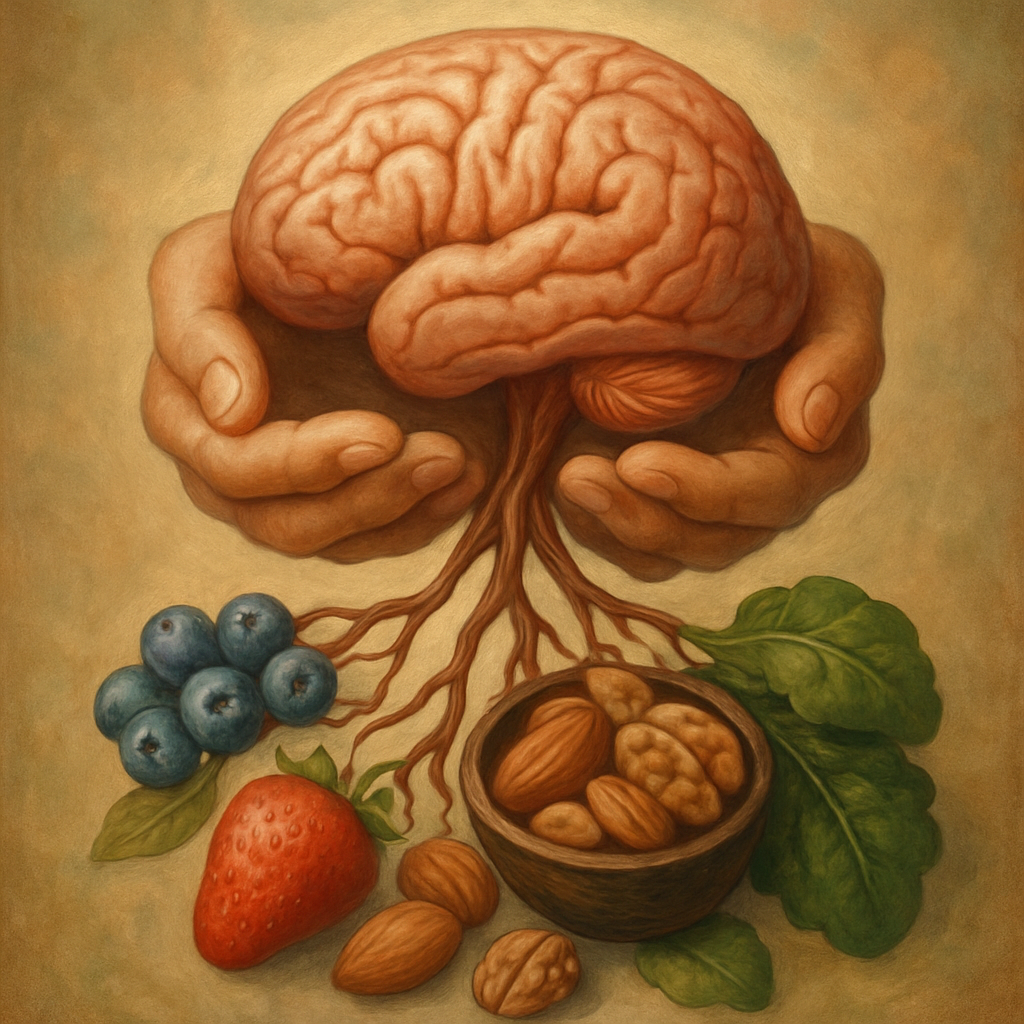
Key Takeaway: If you are constantly battling stress or low mood, look first to your plate. Ensuring your body has the necessary vitamins, minerals, and essential fatty acids is a critical first step in achieving emotional resilience.
3. The Pillars of Longevity Biohacking
Asprey’s work is heavily focused on extending the healthspan—the period of life spent in good health—rather than just the lifespan. Biohacking offers practical, evidence-based strategies to slow down the aging process and optimize cellular function.
Research into longevity biohacking highlights several key strategies that align with Asprey’s teachings [2]:
| Biohacking Strategy | Mechanism for Longevity |
|---|---|
| Intermittent Fasting | Promotes metabolic adaptation, triggers autophagy (cellular cleanup), and improves insulin sensitivity. |
| Cold Exposure Therapy | Induces hormesis (beneficial stress), activates brown adipose tissue (BAT), and reduces chronic inflammation. |
| Nutrigenomics & Supplements | Personalized nutrition, including supplements like Nicotinamide Mononucleotide (NMN) to boost NAD+ and Resveratrol to activate sirtuins (longevity proteins). |
| Regulating Circadian Rhythms | Optimizing sleep quality and consistency to support hormonal balance and metabolic efficiency. |
| Neuroplasticity & Cognitive Health | Practices like meditation and regular physical exercise to enhance brain health and mental resilience. |

4. Separating Fact from Fiction: The Truth About Cooking Oils
The debate over dietary fats is one of the most contentious in the health world, with seed oils often being singled out as a major health hazard. Asprey touches on the importance of avoiding harmful oils, but it is crucial to understand the scientific nuance.
The primary concern with industrial seed oils (like corn, soy, and canola) is their high content of polyunsaturated fats, specifically linoleic acid (an omega-6 fat), and the potential for oxidation during processing or high-heat cooking.
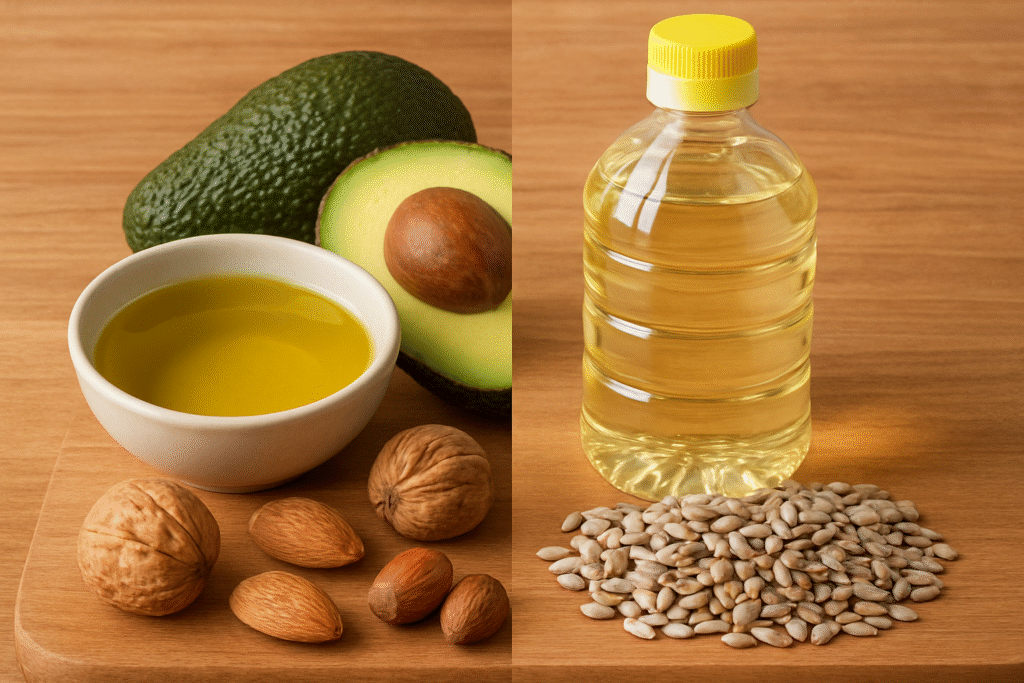
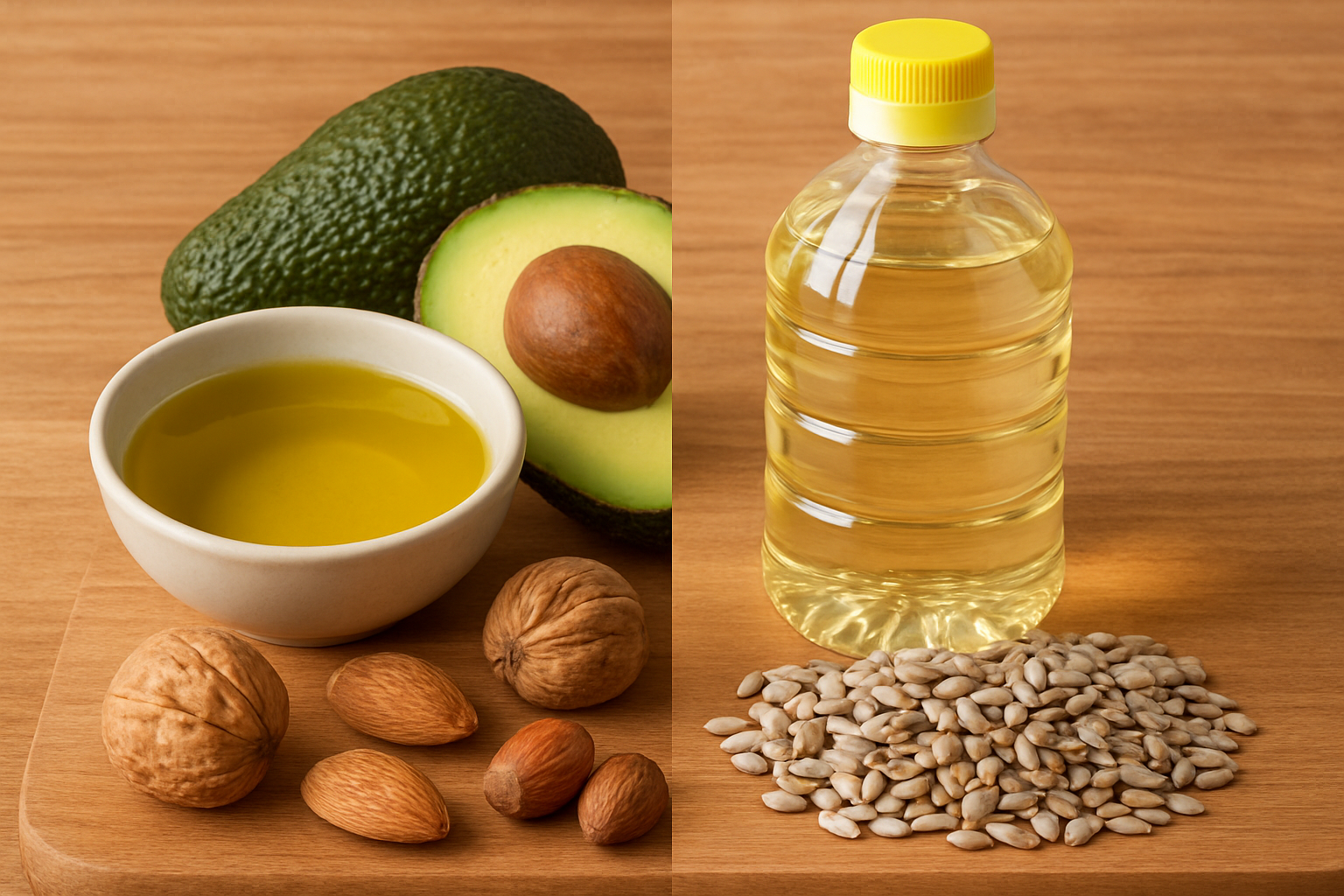
However, the scientific consensus is more complex. Decades of research indicate that replacing saturated fats (found in high amounts in animal fats, butter, and cheese) with unsaturated fats (found in seed oils, olive oil, and avocados) is linked to a lower risk of heart disease [3].
The real issue, as highlighted by experts at Harvard Health, is not the oil itself, but the context of consumption [3]:
“The dangerous compounds of heated seed oils in fast food are just one aspect of deep-fried fast foods like fries and chicken fingers. These foods also contain high amounts of fat, added sugar, salt, and calories.”
The danger lies in oils that are repeatedly heated and oxidized in commercial deep-frying, combined with the overall poor nutritional profile of fast food. For home cooking, oils like extra virgin olive oil, avocado oil, and even high-quality canola oil (a source of anti-inflammatory omega-3 ALA) can be part of a heart-healthy diet [3].
The Biohacker’s Approach to Fats:
- Prioritize: Whole-food sources of healthy fats (avocados, nuts, fatty fish).
- Choose Wisely: Use high-quality, minimally processed oils (like extra virgin olive oil) for low-heat cooking and dressings.
- Avoid: Highly processed, cheap industrial oils used in commercial fried foods.
Conclusion: Taking Control of Your Biology
Dave Asprey’s message is one of empowerment: you have the ability to take control of your biology and optimize your performance. By focusing on fundamental areas like nutrition, sleep, and managing biological stress, you can achieve more with less effort.
For more resources and practical guides on integrating fitness, nutrition, and biohacking into your daily routine, visit fitonear.com.
To dive deeper into the full conversation and hear all of Dave Asprey’s insights, you can watch the original video here:
https://www.youtube.com/watch?v=v2_0y8_GuuA
References
[1] Micek, A., et al. (2025). The bidirectional association of malnutrition with depression and anxiety in patients with cancer: a systematic review and meta-analysis of evidence. Aging Clinical and Experimental Research. https://pmc.ncbi.nlm.nih.gov/articles/PMC12102140/
[2] Sidharthan, C. (2025). 5 Biohacking Secrets to Help You Live Longer. News-Medical.net. https://www.news-medical.net/health/5-Biohacking-Secrets-to-Help-You-Live-Longer.aspx
[3] Corliss, J. (2025). Seeding doubt: The truth about cooking oils. Harvard Health Publishing. https://www.health.harvard.edu/heart-health/seeding-doubt-the-truth-about-cooking-oils