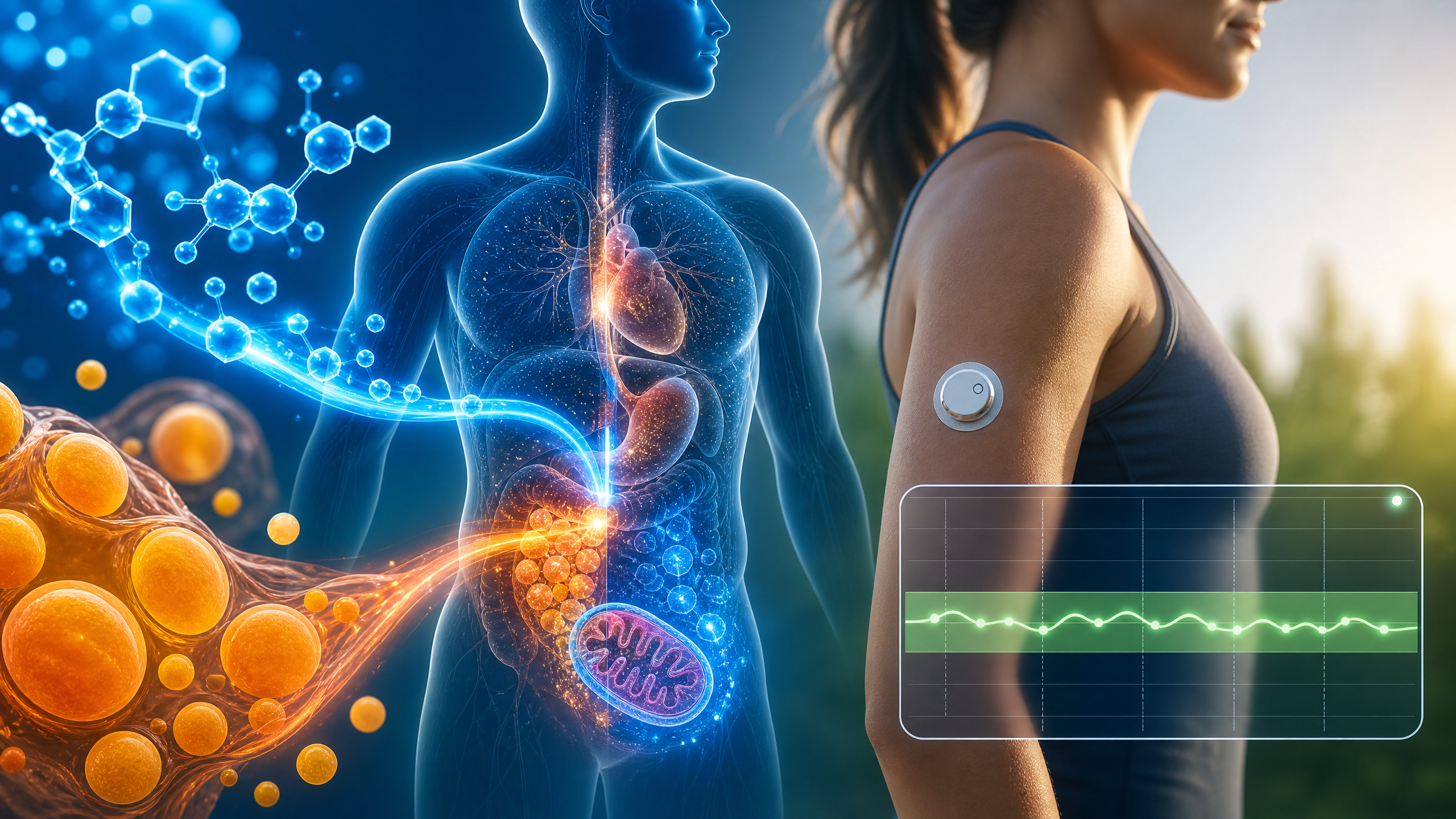
Have you ever felt like you hit a wall with your weight loss efforts, despite trying every diet under the sun? Or perhaps you experience those dreaded “hangry” moments, brain fog, and energy crashes that leave you reaching for another snack? If so, you might be struggling with metabolic inflexibility.
In a world obsessed with calorie counting, the real secret to sustainable weight loss, stable energy, and optimal health often lies not in how much you eat, but in how your body uses what you eat. This is where the concept of metabolic flexibility comes in – your body’s ability to efficiently switch between burning different fuel sources, primarily glucose (from carbohydrates) and fat.
Think of your body as a hybrid car. A metabolically flexible body can seamlessly switch between using gasoline (glucose) and electricity (fat) depending on what’s available and what’s needed. A metabolically inflexible body, however, is stuck in one gear, often relying solely on glucose, leading to a cascade of health issues. The good news? You can biohack your way to metabolic mastery!
The Problem: Are You a “Sugar Burner” or a “Fat Burner”?
Most modern diets, rich in refined carbohydrates and sugars, train our bodies to be “sugar burners.” This means your body prefers to use glucose for energy, even when there’s plenty of fat available. While glucose is a quick energy source, relying on it exclusively has downsides:
- Energy Crashes: When glucose levels drop, you feel tired, irritable, and hungry, leading to a vicious cycle of snacking and energy spikes/crashes.
- Weight Loss Resistance: If your body isn’t efficient at burning fat, it struggles to tap into its stored fat reserves for energy, making weight loss incredibly difficult.
- Insulin Resistance: Constant glucose spikes lead to constant insulin release. Over time, your cells can become less responsive to insulin, a precursor to type 2 diabetes and other metabolic disorders. [1]
- Inflammation: Chronic high blood sugar and insulin levels contribute to systemic inflammation, a root cause of many chronic diseases. [2]
The Solution: Why Metabolic Flexibility is Your Superpower
Metabolic flexibility is the hallmark of a healthy metabolism. It means your body can:
- Efficiently burn fat for fuel when glucose is scarce (e.g., between meals, during exercise).
- Quickly switch to glucose when it’s readily available (e.g., after a meal).
- Maintain stable blood sugar levels, avoiding dramatic spikes and crashes.
Achieving metabolic flexibility isn’t just about weight loss; it’s about sustained energy, improved cognitive function, reduced inflammation, and enhanced longevity. It’s about giving your body the ultimate fuel-switching superpower.
Biohacking Your Way to Metabolic Mastery
Ready to transform your metabolism? Here are science-backed biohacking strategies to improve your metabolic flexibility:
1. Continuous Glucose Monitoring (CGM): See Your Sugar in Real-Time
One of the most powerful tools for understanding your unique metabolic response is a Continuous Glucose Monitor (CGM). This small device, worn on your arm, provides real-time data on your blood sugar levels, allowing you to see how different foods, activities, and stressors impact you. [3]
- How it helps: A CGM eliminates guesswork. You can identify which foods cause significant spikes, when your blood sugar is stable, and how your body responds to exercise. This personalized feedback is invaluable for making informed dietary choices.
- Practical Tip: Wear a CGM for 1-2 weeks to gather baseline data. Experiment with different meals and activities, noting their impact on your glucose levels. Aim for stable, gentle curves rather than sharp peaks and valleys.
- Recommended Product: Freestyle Libre 2 Sensor (Note: Requires prescription in many regions)
2. Intermittent Fasting (IF): Train Your Body to Burn Fat
Intermittent fasting isn’t a diet; it’s an eating pattern that cycles between periods of eating and fasting. By extending the time between meals, you encourage your body to deplete its glucose stores and switch to burning fat for energy. [4]
- How it helps: IF improves insulin sensitivity and promotes autophagy (cellular cleanup), both crucial for metabolic health. It teaches your body to become more adept at utilizing fat as a primary fuel source.
- Practical Tip: Start with a 12-hour fasting window (e.g., finish dinner by 7 PM, eat breakfast at 7 AM). Gradually increase to 14-16 hours if comfortable. Always listen to your body.
3. Apple Cider Vinegar (ACV) “Glucose Buffering”: A Simple Pre-Meal Hack
Research suggests that consuming apple cider vinegar before a meal, especially one high in carbohydrates, can significantly reduce post-meal blood sugar spikes. [5]
- How it helps: ACV improves insulin sensitivity and slows down the digestion of carbohydrates, leading to a more gradual release of glucose into the bloodstream. This helps prevent those sharp spikes that contribute to metabolic inflexibility.
- Practical Tip: Mix 1-2 tablespoons of organic, unfiltered ACV with 8 ounces of water and drink it 15-30 minutes before a carb-heavy meal. You can also add a pinch of salt for electrolytes.
- Recommended Product: Bragg Organic Apple Cider Vinegar
4. Prioritize Nutrient-Dense Whole Foods: The Foundation of Flexibility
While biohacks can accelerate progress, the foundation of metabolic flexibility is a diet rich in whole, unprocessed foods. Focus on:
- Healthy Fats: Avocados, olive oil, nuts, seeds, fatty fish. These provide sustained energy and support satiety.
- Quality Proteins: Grass-fed meats, poultry, eggs, legumes. Protein helps stabilize blood sugar and builds muscle, which is metabolically active tissue.
- Fiber-Rich Carbohydrates: Vegetables, berries, and some whole grains. Fiber slows glucose absorption and feeds beneficial gut bacteria.
- Internal Link: Beyond Calories: How Biohacking Nutrition Fuels Peak Athletic Performance
Actionable Steps for Boosting Metabolic Flexibility
Ready to become a metabolic master? Here’s a quick checklist to get started:
| Strategy | Actionable Step | Frequency |
|---|---|---|
| Awareness | Use a CGM to track glucose response | 1-2 weeks for baseline, then periodically |
| Eating Pattern | Implement a 12-16 hour intermittent fast | Daily |
| Pre-Meal Hack | Drink ACV before carb-heavy meals | As needed |
| Diet Foundation | Focus on whole, unprocessed foods | Daily |
| Exercise | Incorporate regular movement, including strength training | 3-5 times a week |
When to Seek Professional Guidance
While these biohacking strategies are generally safe and effective, if you have pre-existing conditions like diabetes, are pregnant, or have any other health concerns, it’s crucial to consult with a healthcare professional before making significant dietary or lifestyle changes. They can provide personalized advice and ensure these strategies are appropriate for your individual needs.
Conclusion: Unlock Your Body’s Full Potential
Metabolic flexibility is more than just a buzzword; it’s a fundamental aspect of optimal health and a powerful tool for achieving sustainable weight loss and consistent energy. By understanding how your body utilizes fuel and implementing these biohacking strategies, you can take control of your metabolism, stabilize your blood sugar, and unlock a new level of vitality.
Stop being a slave to sugar cravings and energy crashes. Start training your body to be a fat-burning machine and experience the freedom of metabolic mastery!
References
[1] Petersen, M. C., & Shulman, G. I. (2018). Mechanisms of insulin action and insulin resistance. Physiological Reviews, 98(4), 2133-2223. https://pubmed.ncbi.nlm.nih.gov/30067154/
[2] Hotamisligil, G. S. (2017). Inflammation, metabolic dysfunction, and diabetes. Molecular Cell, 65(5), 779-795. https://pubmed.ncbi.nlm.nih.gov/28283108/
[3] Klonoff, D. C., & Umpierrez, G. E. (2020). Continuous glucose monitoring: A review of current technology and clinical applications. Diabetes Care, 43(10), 2570-2580. https://pubmed.ncbi.nlm.nih.gov/32948682/
[4] Anton, S. D., Moehl, K., Donahoo, W. T., Phillips, K., Burke, M. D., Han, H., … & Leeuwenburgh, C. (2018). Effects of intermittent fasting on health, aging, and disease. New England Journal of Medicine, 378(17), 1639-1640. https://pubmed.ncbi.nlm.nih.gov/29694803/
[5] Ostman, E., Granfeldt, Y., Persson, L., & Björck, I. (2005). Vinegar supplementation lowers glucose and insulin responses and increases satiety after a bread meal in healthy subjects. European Journal of Clinical Nutrition, 59(9), 983-988. https://pubmed.ncbi.nlm.nih.gov/16015276/