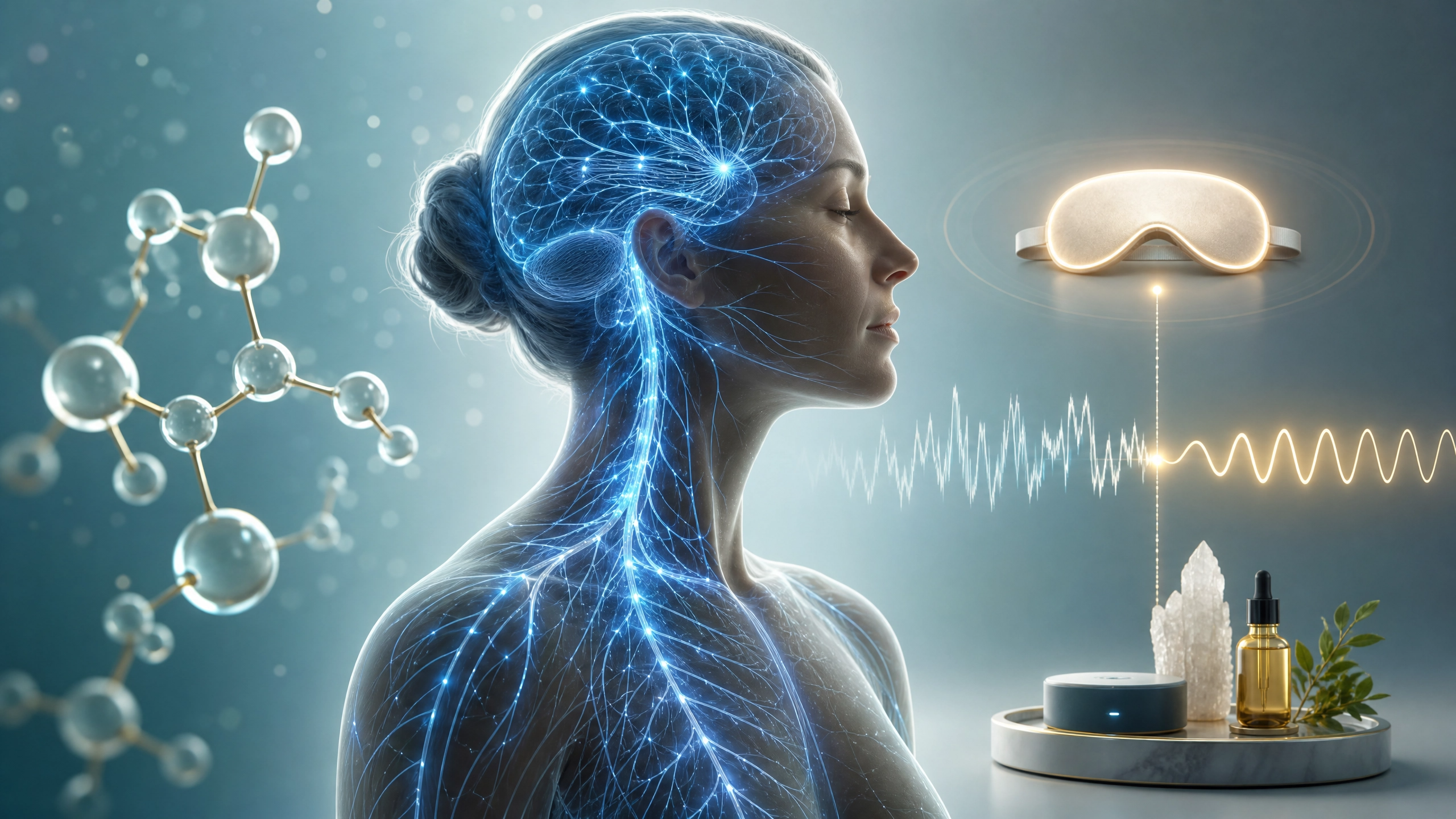
The sensation of a subtle, internal hum or vibration—often described as feeling like a “phone on silent mode” inside your body—is a relatively common but frequently misunderstood phenomenon. When these sensations occur intermittently in the arm, chest, and right side of the face, they are medically referred to as internal vibrations or internal tremors. Unlike visible tremors, these sensations are felt only by the individual and do not result in outward shaking, making them difficult to describe to others.
While these sensations can be disconcerting, they are often a signal from your nervous system rather than a sign of a life-threatening condition. In many cases, they stem from nervous system overstimulation, nutritional imbalances, or lifestyle factors that can be addressed through targeted biohacking and wellness adjustments.
Common Causes of Internal Vibrations
Internal vibrations are often the result of “static” in the communication between your brain and your peripheral nerves. When the nervous system is in a state of hyper-arousal, nerves may misfire, creating a buzzing or vibrating sensation.
1. Anxiety and Chronic Stress
Anxiety is the most frequent culprit behind internal vibrations. When the body enters a “fight-or-flight” state, it releases a surge of adrenaline and cortisol, which increases nerve sensitivity. This heightened state can manifest as a persistent internal buzz, especially in the chest and limbs. Even if you do not feel mentally anxious at the moment the vibration occurs, your nervous system may still be recovering from a period of high stress.
2. Magnesium Deficiency and Electrolyte Imbalance
Magnesium is involved in over 300 enzymatic reactions, many of which regulate nerve transmission and muscle relaxation. A deficiency in magnesium—or an imbalance in other electrolytes like potassium and calcium—can cause nerves to become “hyperexcitable,” leading to the sensations you described. This is a common issue for those with high activity levels or poor dietary intake.
“Magnesium is vital for nerve function and muscle contraction. When levels are low, the body may experience involuntary twitches or internal vibrations.” — The Science Of Hydration: Biohacking Your Water Intake
3. Sleep Deprivation and Stimulants
Lack of restorative sleep prevents the nervous system from “resetting,” which can lead to sensory disturbances. Similarly, excessive consumption of stimulants like caffeine or nicotine can over-rev the nervous system, causing intermittent vibrations in the face and chest as the body attempts to process the excess stimulation.
Comparing Potential Causes
The following table summarizes the most common reasons for internal vibrations and how they typically present.
| Cause | Primary Symptoms | Common Triggers |
|---|---|---|
| Anxiety/Stress | Chest buzzing, restlessness, internal shaking | High-pressure environments, panic, repressed stress |
| Magnesium Deficiency | Muscle twitches, vibrations, cramps | Intense exercise, poor diet, high coffee intake |
| Sleep Deprivation | Facial buzzing, brain fog, limb heaviness | Irregular sleep cycles, blue light exposure |
| Stimulant Overload | Heart palpitations, facial twitching, jitters | Excessive caffeine, nicotine, pre-workouts |
| Neurological (Rare) | Persistent tremors, weakness, vision changes | Chronic progression (e.g., MS, Parkinson’s) |
Biohacking Your Recovery
If these vibrations are intermittent and not accompanied by severe symptoms like loss of motor control, you may find relief through the following interventions:
1. Optimize Your Magnesium Intake
For nerve-related vibrations, magnesium is the gold standard. Magnesium Glycinate is excellent for general relaxation and muscle health, while Magnesium L-Threonate is specifically formulated to cross the blood-brain barrier, making it highly effective for neurological symptoms.
- Internal Link: The Biohacker’s Guide To Essential Supplements
- Recommended Product: Magnesium Glycinate Supplement
- Recommended Product: Magnesium L-Threonate for Brain Health
2. Prioritize Sleep Hygiene
Ensure you are getting 7–9 hours of quality sleep to allow your nervous system to recover. Using tools like the Oura Ring can help you track your sleep latency and recovery scores.
- Internal Link: The Sleep Advantage: Biohacking Your Way To Faster Recovery
3. Manage Nerve Hyperexcitability
Practicing deep breathing exercises or meditation can help “down-regulate” a revved-up nervous system. If the vibrations are concentrated in the face, gentle facial massage or reducing jaw tension (often linked to stress) may provide relief.
When to Seek Medical Attention
While internal vibrations are usually benign, they can occasionally be a symptom of an underlying neurological condition such as Multiple Sclerosis (MS) or Parkinson’s Disease. You should consult a healthcare professional if you experience any of the following “red flag” symptoms:
- Loss of Coordination: Difficulty walking or frequent tripping.
- Visible Weakness: Inability to lift objects you normally could.
- Vision Changes: Blurred or double vision.
- Numbness: A complete loss of sensation in the affected area.
- Speech Difficulties: Slurring or difficulty finding words.
A doctor may recommend an Electromyogram (EMG) to test muscle and nerve function or an MRI to rule out structural issues in the brain or spine.
Summary Checklist for Management
- Hydrate with Electrolytes: Ensure you are getting enough sodium, potassium, and magnesium. Learn more here.
- Audit Your Stimulants: Reduce caffeine intake for 7 days to see if the vibrations subside.
- Supplement Wisely: Consider adding a high-quality Magnesium supplement to your nightly routine.
- Track the Patterns: Keep a diary of when the vibrations occur to identify specific triggers like stress or poor sleep.