Quick story · 8 cards · about 1 min
Rent, buy or build? Read this first
The questions, numbers and checks that protect you before you sign anything.
How long will you stay?
Buying has big one-off costs. If you may move within a few years, renting usually wins.
Keep total debts in check
Many lenders accept up to about 43%, but lower leaves room for real life.
Check the sun, not just the style

In hot climates, big west-facing windows heat rooms in the afternoon. Visit at different times of day.
Get the lease registered
Wherever you live, check your country’s official lease rules before paying anything.
Paperwork before bricks
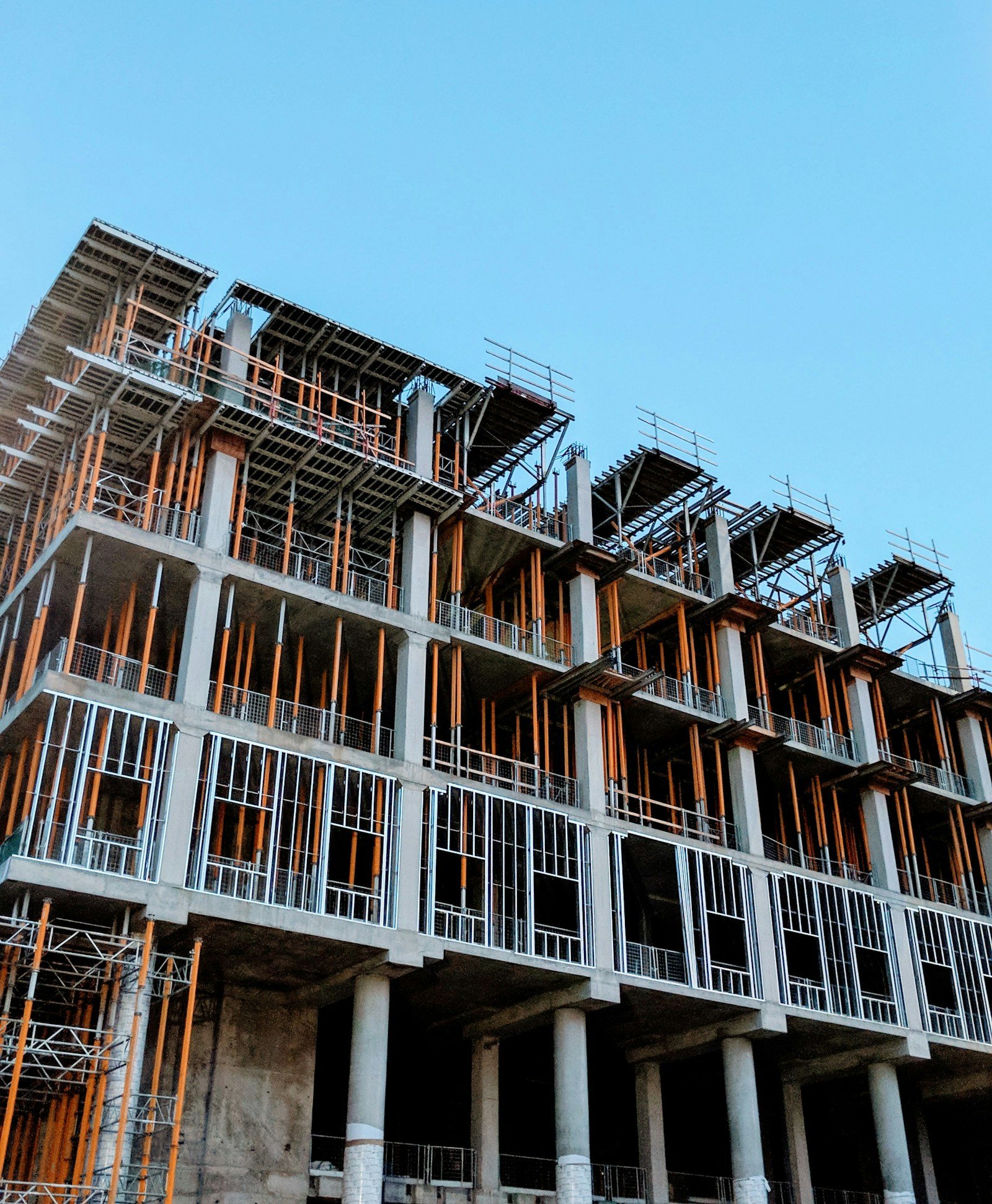
Soil report, design office, permit, supervising engineer, then the contractor.
Your viewing-day kit
Measure rooms, spot damp and test sockets in minutes.
Decide slowly, sign once
Use the three interactive checklists below on viewing day. Tick, print and take them with you.
Next storyRamadan Decoration Ideas for Home (2027): Calm, Welcoming Ideas…Tap the sides or swipe to move · hold to pause · tap the half-circle icon to change the look
Whether it is your first apartment, a family villa or a plot you plan to build on, a home is usually the biggest commitment you will ever sign. The decisions that matter most are made before the keys: how long you will stay, what you can truly afford, what you check on viewing day and what the paperwork says.
This guide brings those decisions together in one place, with three interactive checklists you can tick on your phone and print. It is written for anyone renting, buying or building, with notes for readers in Saudi Arabia, the wider Gulf and South Asia.
Quick answer
Rent if you may move within about five years, need flexibility or are still building savings. Buy if you plan to stay longer, have a deposit and an emergency fund, and can keep total debt payments around or below 36% of your gross income. Build if you have the land, the time and the budget buffer for a long project and want a home designed around your family. Whatever you choose, inspect carefully, register the contract and never sign under time pressure.
Step 1: Should you rent, buy or build?
Start with time, not price. Zillow’s buying guide calls how long you plan to stay “the single biggest factor” in the rent-versus-buy decision, because buying and selling carry large one-off costs. RentCafe notes that buying is almost never a good idea for stays under three years and that most buyers will want to stay at least five years before the costs pay off.
| Rent | Buy | Build | |
|---|---|---|---|
| Best if | You may move within ~5 years | You will stay 5+ years and income is stable | You own land and want a home designed for you |
| Upfront money | Deposit and first payment | Down payment plus purchase costs | Design, permits, soil study, staged payments |
| Flexibility | High | Low | Lowest |
| Control over design | Little | Some (renovation) | Full |
| Main risk | Rent rises, weak contract | Overpaying, hidden defects | Delays and cost overruns |
Will you stay at least five years?
If you are not sure, renting keeps your options open. A long, likely stay is when buying or building starts to make sense.
Do you have savings beyond the deposit?
Owning brings repairs and costs renters never see. If the deposit empties your savings, keep renting and build the cushion first.
Ready-made home or your own build?
Building gives you full control but takes longer and needs a budget buffer. Ready-made is faster and the risks are easier to see before you pay.
Your picks, decided.
Step 2: Know your numbers
Debt-to-income (DTI). Lenders compare your monthly debt payments with your gross monthly income. The US non-profit NFCC says most mortgage lenders look for a maximum front-end ratio (housing costs) of 28% to 31% and a back-end ratio (all debts) of 36% to 43%. Chase describes a good DTI as lower than 36%. Even if a bank would lend more, these numbers are a sensible ceiling for your own budget wherever you live.
Price-to-rent ratio. Divide the price of a home by a year’s rent for a similar home. The lower the number, the faster ownership tends to pay off. Treat it as a first filter only: it ignores purchase costs, maintenance and how prices move.
- Buying: plan for the down payment, purchase fees, moving, furniture and an emergency fund that stays untouched.
- Owning: budget every year for maintenance and repairs; one widely used rule of thumb sets aside about 1% of the home’s value, but treat it as an average, not a promise.
- Renting: plan for the deposit, agent or platform fees, and any rent increase allowed in your contract.
- Building: keep a contingency on top of the contract price for changes and surprises found on site.
Step 3: Location, light and heat
You can change a kitchen; you cannot change where the sun sets. In hot climates, orientation affects comfort and cooling bills every single day.
- Watch the west. A US government building guide notes that in midsummer, unshaded east- and west-facing windows can receive up to twice as much solar heat per square foot as south-facing ones, and recommends minimising east- and west-facing glass. West-facing rooms take the hot afternoon sun.
- North light is calm. In the northern hemisphere, north-facing windows collect little direct solar heat, which is why cooling-climate guidance prefers them for daylight.
- Visit twice: once in the afternoon for heat and once in the evening for noise and parking.
- Map daily journeys: work, school, mosque, groceries. Our guide to testing a plan with five everyday journeys helps here.
Step 4: The viewing-day checklist
Take this list on your phone. Professional inspectors focus on structure, roof, plumbing, electrical and cooling systems; you can spot many warning signs yourself before paying for a full inspection.
Interactive checklist · ticks are saved on this device
Viewing-day checklist
Works for apartments, villas and houses. Your ticks stay on this device.
Light, air and heat
Water and plumbing
Damp, structure and finish
Electrical and safety
Daily life
Building and neighbourhood
Step 5: If you are renting
In Saudi Arabia, register the lease on Ejar. Argaam reports Ejar’s guidance that all residential and commercial rental contracts must be registered on the platform, under Cabinet Resolution No. 292, and the CEO of the Real Estate General Authority (REGA) has said any rental contract or transaction outside Ejar is not legally recognised. Since January 2024, REGA has been moving residential rent payments onto Ejar’s digital channels. Other countries have their own official systems, so always ask which one applies before you pay.
Interactive checklist · ticks are saved on this device
Renting checklist
Before you pay
Read the contract for
On move-in day
Step 6: If you are buying
- Get your finance in principle first so you know your real budget before falling in love with a home.
- Pay for a professional inspection. Inspectors examine major systems such as structure, roof, plumbing, electrical and cooling; ask for a written report and get specialist checks where they flag damp, leaks or cracks.
- Check the title deed and ownership through the official channel in your country, and confirm there are no unpaid service charges or disputes.
- Compare the total cost, not only the price: fees, repairs found in the inspection, furniture and moving.
- Never sign or transfer money under pressure. A good property will still be good tomorrow.
Step 7: If you are building
Start with a written brief about how your family lives; our Home Design Ideas guide walks you through it, and our courtyard house ideas and majlis design guide help with the rooms that matter most in the Gulf.
In Saudi Arabia, building permits are issued electronically through the Balady platform. Balady lists the requirements as including a valid cadastral report, a contract with an engineering office for the architectural design, a contract with a supervising engineering office and a construction contractor, latent defects insurance and a soil study report.
Interactive checklist · ticks are saved on this device
Building checklist
Before design
Design and permits
Contract and construction
Useful tools for viewing day and move-in
As an Amazon Associate, FitOnear earns from qualifying purchases. Links open Amazon search results so you can compare options and current prices.
- Search Amazon for Laser distance measure for room sizes
- Search Amazon for Moisture meter for hidden damp
- Search Amazon for Socket (outlet) tester where plug types match
- Search Amazon for Bright torch for under sinks and cupboards
- Search Amazon for Smart door locks for a new home (check with your landlord first if renting)
- Search Amazon for Smoke detectors for every bedroom and the kitchen area
Frequently asked questions
Is it better to rent or buy a house?
It depends mainly on how long you will stay. Buying carries large one-off costs, so it usually only pays off if you stay several years, commonly five or more. If you may move sooner, need flexibility or have little savings beyond the deposit, renting is often the better choice.
How much of my income should go on housing?
Many lenders look for housing costs of about 28% to 31% of gross monthly income and total debt payments of about 36% to 43%. Staying around or below 36% for all debts leaves more room for savings and surprises.
What should I check when viewing an apartment?
Check window orientation and daylight, water pressure and hot water, signs of damp or leaks, cracks, air conditioning in every room, sockets and the electrical panel, storage, parking, noise at night and what the building’s service charges cover.
Do rental contracts in Saudi Arabia need to be on Ejar?
Yes. Ejar’s guidance is that residential and commercial rental contracts must be registered on the platform, and the Real Estate General Authority has said contracts outside Ejar are not legally recognised.
What do I need before building a house in Saudi Arabia?
Balady lists requirements for a building permit including a valid cadastral report, a contract with a design engineering office, a contract with a supervising engineering office and a contractor, latent defects insurance and a soil study report. The permit is applied for electronically through Balady.
Sources
- Zillow: Rent vs buy
- RentCafe: When does renting make more sense than buying?
- NFCC: Debt-to-income ratio, what homebuyers need to know
- Chase: What is debt-to-income ratio?
- Rocket Mortgage: Price-to-rent ratio explained
- SuperMoney: Rent vs buy calculator (maintenance rule of thumb)
- Building America Solution Center (PNNL): Shading and solar control for windows
- US DOE Energy Savers (archived): Passive solar window design
- Argaam: Ejar outlines new rental regulations
- Zawya: REGA CEO, only rental contracts documented on Ejar are legally valid
- REGA: Rent payments through Ejar digital channels
- Balady: Issuing a building permit
- Redfin: What home inspectors look for
Sources checked November 2026. This guide is general information, not financial, legal or engineering advice. Rules differ by country and change over time; confirm current requirements with the official authority, your bank and a licensed professional. See our editorial policy.
Get the Pinterest pin & social images
Ready-made graphics for this article: Pinterest 1000 × 1500; Facebook/X 1200 × 630. Download an image and add your own caption, or use the share buttons to open a composer.